When was Running Invented?
Running, a central human action, has molded our physical and social development since the beginning of time. This article investigates the starting points and improvement of running from old times to its ongoing status as both an inescapable type of activity and a cutthroat game.
Early Beginnings: Running in Prehistoric Times
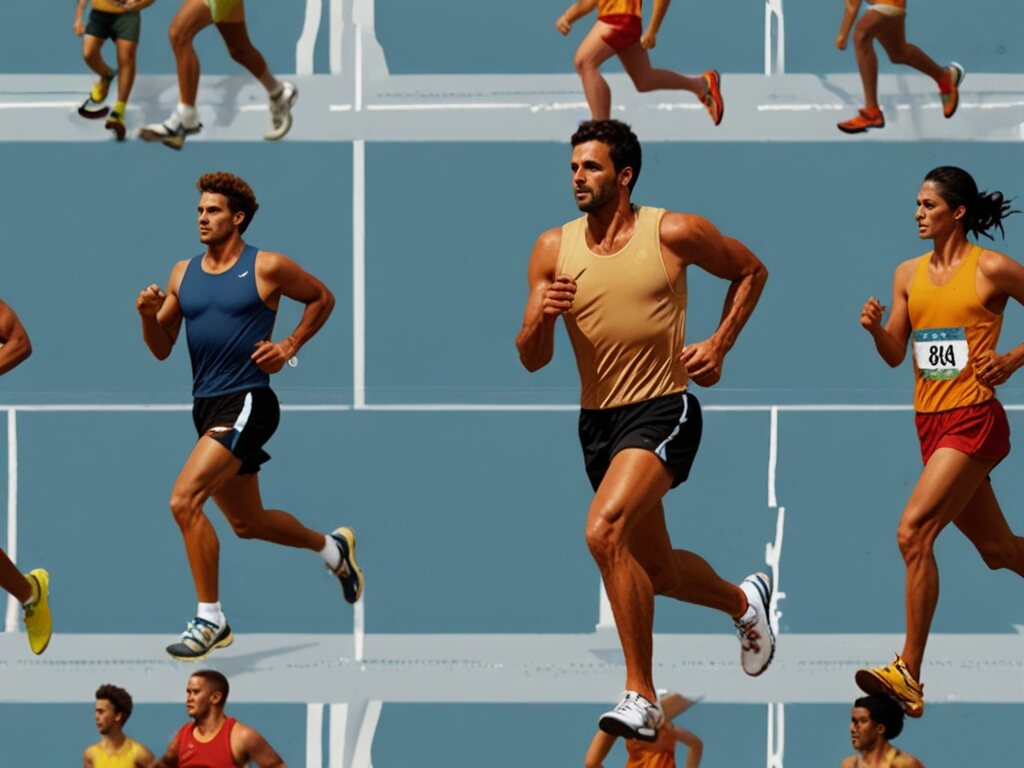
The act of running originates before written history and logic started as a characteristic intuition for endurance. Anthropological proof proposes that early people fostered the capacity to run for significant distances around 2 to quite a while back during the Pleistocene period. This capacity was vital for hunting and sidestepping hunters, giving an endurance advantage in the unforgiving conditions of ancient times.
Running in Ancient Civilizations
In old developments, running was an ability to survive as well as a fundamental piece of culture and religion. The Egyptians, for example, remembered running for their strict celebrations, accepting it satisfied their divine beings. Portrayals of running can be tracked down in the burial places of old Egypt, outlining its importance in their general public.
Running in the Ancient Olympics
The practice of running as a game can be followed back to the old Greeks, for whom running was a high type of rivalry. Presented in the main Olympic Games in 776 BC in Olympia, running was the main athletic occasion for the underlying 13 Olympic celebrations. The arena race, a run covering the length of the arena, was among the earliest and most revered competitions.
Anthropological Insights: Evolution of Human Running Abilities
People are extraordinarily adjusted to perseverance running, dissimilar to our primate family members who spend significant time in brachiation or short eruptions of speed. Physiological qualities, for example, long legs, short toes, huge knee joints, and a capacity to cool through perspiring, all add to our capability in running significant distances. These transformative attributes propose that running has been a fundamental piece of human improvement for centuries.
Running as Part of Early Human Survival
With regards to early human endurance, running was not just an actual work but rather a need. Constancy hunting, where trackers utilize a blend of running and following to debilitate their prey, was a typical practice among early people. This method of hunting emphasizes the role of endurance running in human evolution.
Development of Running as a Sport
The formalization of running as a game happened in different societies, yet it was during the late nineteenth century that cutting edge sports started to come to fruition. The foundation of the Global Beginner Athletic Organization in 1912 denoted a critical achievement, setting normalized rules for Olympic style sports occasions all over the planet.
Running as Exercise in Modern Times
In the 20th century, running gained popularity as a form of exercise for health and fitness. The running boom of the 1970s, characterized by an increase in recreational running and marathoning, brought running to the masses. Today, running is a universal activity practiced by millions around the globe for its health benefits.
Running as an Integral Part of Cultural Identity
Throughout history, running has not only served practical purposes but has also been deeply woven into the cultural fabric of societies. In many indigenous cultures, running was more than physical exercise; it was a spiritual practice. Native American tribes, such as the Tarahumara of Mexico, are renowned for their long-distance running abilities, which play a central role in their social rituals and spiritual life.
Running in Mythology and Legend
The mythology of various cultures frequently lauds the demonstration of running. Antiquated Greek legends recount quick legends like Achilles and Atalanta, accentuating the worth of speed and perseverance. These accounts highlight running’s allegorical importance, addressing ethics like spryness, tirelessness, and cutthroat soul.
Modern Developments: Technological and Social Influences on Running
In the modern era, advancements in technology and changes in social attitudes have significantly influenced running practices. The invention of synthetic running tracks, ergonomic sports apparel, and sophisticated running shoes has enhanced performance, making running more accessible and enjoyable for people of all ages and abilities.
The Role of Social Movements
Social movements have also played a crucial role in popularizing running. Initiatives like parkrun, a free, weekly, community-based running event, have democratized running, promoting it as a social activity that fosters community spirit and inclusiveness.
Running as Therapy
Beyond its physical health benefits, running is progressively perceived for its emotional well-being benefits. As a type of vigorous activity, running has been displayed to lessen pressure, tension, and sadness. The “sprinter’s high,” an euphoric state frequently experienced during and after a run, is credited to the arrival of endorphins, giving both physiological and mental prizes.
The Rise of Ultra-Marathons
The growth of ultra-marathons, races extending beyond the traditional marathon length of 42.195 kilometers, marks a significant trend in the endurance running scene. These events challenge the conventional boundaries of human endurance and attract a niche community of runners seeking extreme physical and mental challenges.
Conclusion: Running as a Natural Human Instinct
Running isn’t simply an actual work yet an essential part of human instinct. From its beginnings in ancient times as a strategy for real life adaptation to today’s status as a worldwide game and sporting movement, running has been a steady presence in mankind’s set of experiences. The development of running is a demonstration of its well established importance in human culture and science.
Key Milestones in the History and Development of Running
| Era | Significance of Running |
| Prehistoric Times | Essential for survival and hunting |
| Ancient Civilizations | Cultural and religious significance |
| Ancient Olympics (776 BC) | Formal competition and sport |
| 19th Century | Standardization of track and field events |
| 1970s | Running boom, widespread recreational running |
Running, in essence, encapsulates both a link to our past and a continuing appeal that transcends generations. Its evolution from a primal necessity to a structured sport and fitness activity highlights the adaptability and enduring nature of running within human society.