Bump on Heat Platen: Causes, Solutions, and Prevention
A heat platen is a crucial component in industries like heat transfer printing, manufacturing, and laminating. It ensures even heat distribution for precise and high-quality results. However, bumps on heat platens can compromise efficiency and output quality, leading to operational disruptions. In this article, we’ll explore the causes, effects, and solutions for bumps on heat platens, along with actionable tips for prevention.
Understanding Heat Platens
The Basics of Heat Platens
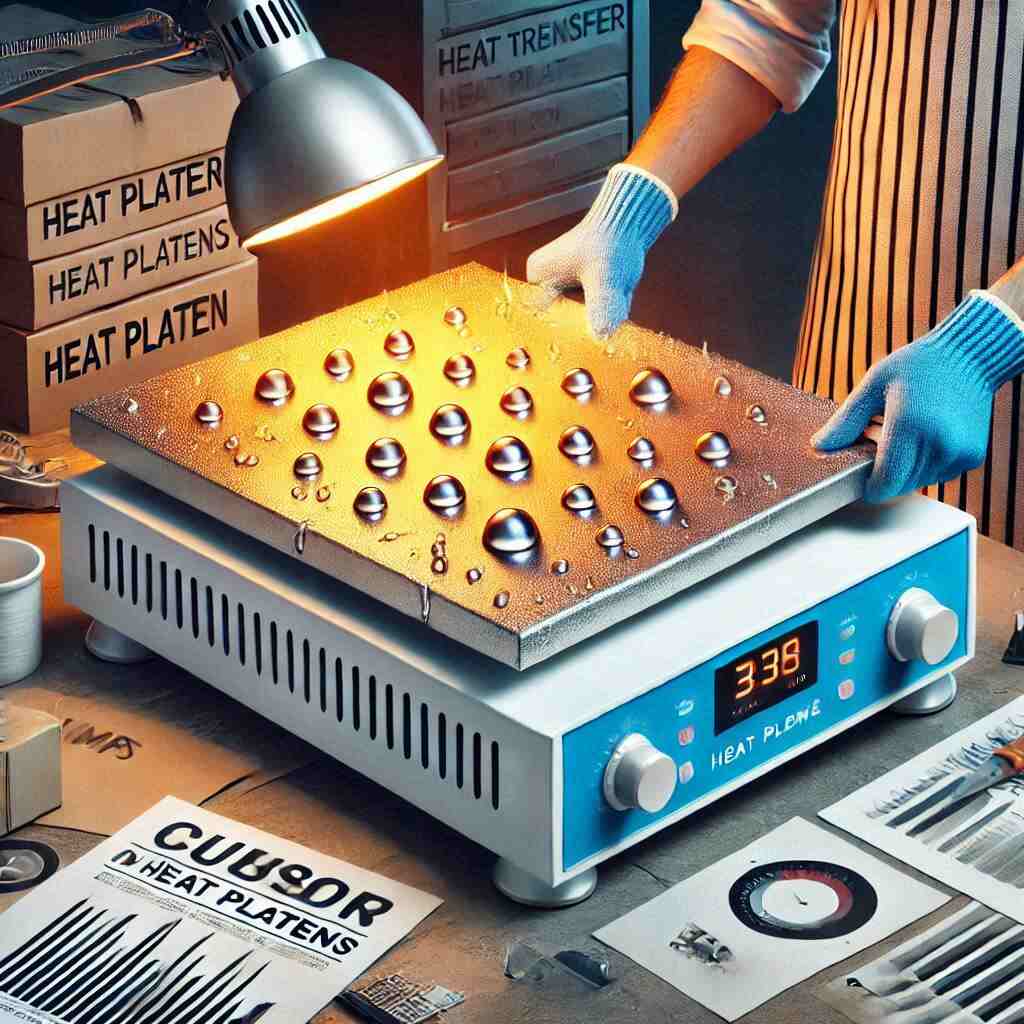
Heat platens are flat, heated surfaces designed to deliver consistent heat across their area. They are used in various applications, including:
- Heat Transfer Printing: For transferring designs onto materials like fabric.
- Industrial Manufacturing: For molding, laminating, or pressing materials.
How Heat Platens Work
Heat platens use embedded heating elements to produce and maintain a steady temperature. This heat is then transferred to the material being processed, ensuring uniformity.
Material Composition of Heat Platens
- Aluminum Heat Platens: Lightweight and excellent heat conductors but prone to surface damage.
- Steel Heat Platens: Durable and resistant to wear but may heat more slowly.
- Surface Coatings: Protective layers, like Teflon, improve heat resistance and prevent sticking.
Identifying the Problem: Bump on Heat Platen
What Causes a Bump on a Heat Platen?
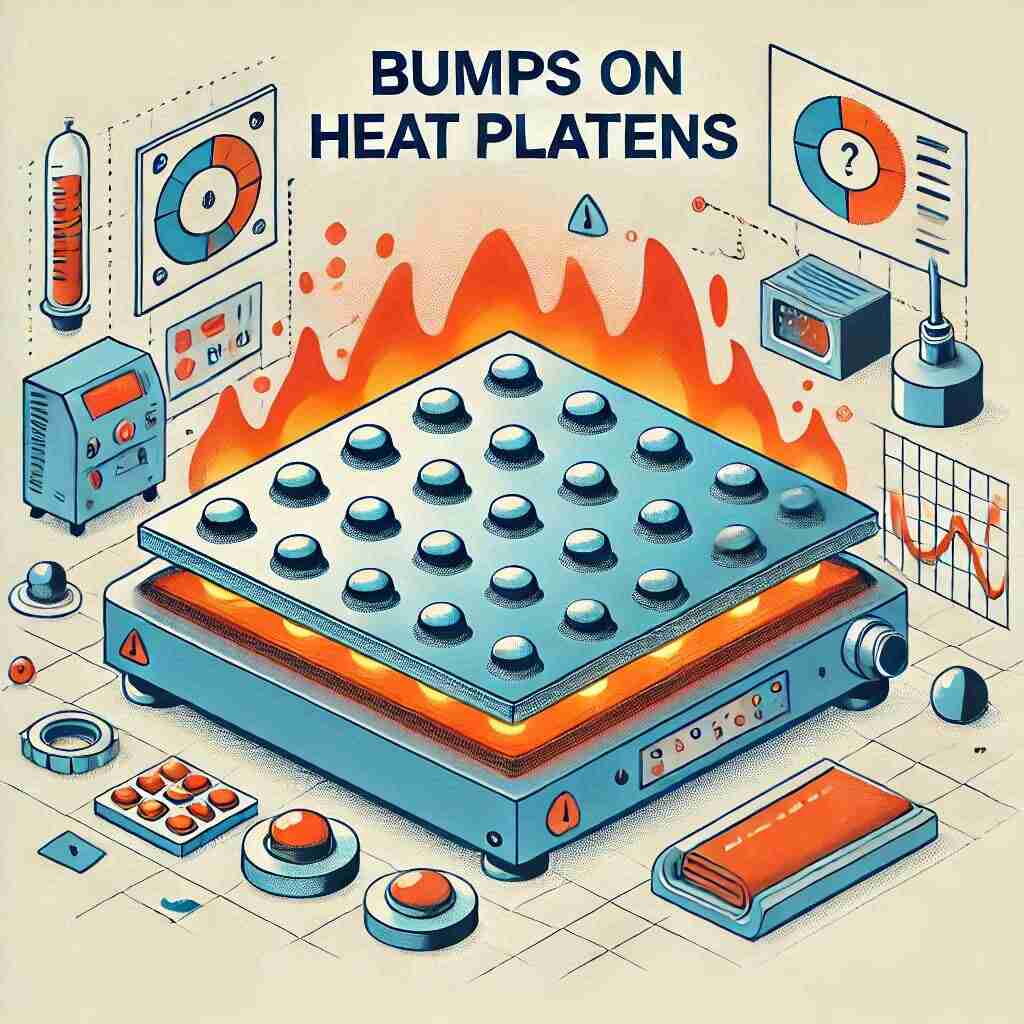
- Debris Accumulation: Dust, adhesives, or residues can harden on the surface.
- Manufacturing Defects: Poor quality control during production can lead to imperfections.
- Wear and Tear Over Time: Prolonged use without maintenance can degrade the surface.
Impact of Bumps on Heat Platens
Bumps may seem trivial, but their effects are far-reaching:
- Uneven Heat Distribution: Causes inconsistent results, especially in heat transfer printing.
- Poor Transfer Quality: Leads to distorted or incomplete prints.
- Increased Maintenance Costs: Requires frequent repairs or replacements.
Diagnosing the Issue
How to Detect Bumps on a Heat Platen
- Visual Inspection: Look for visible imperfections on the surface.
- Testing for Heat Distribution: Use a heat-sensitive material to check for uneven spots.
- Using Precision Tools: A straightedge or dial indicator can detect even minor bumps.
Tools Needed for Diagnosis
| Tool | Purpose |
|---|---|
| Straightedge | Check for surface flatness. |
| Heat-sensitive paper | Detect uneven heat distribution. |
| Cleaning brush | Remove surface debris. |
| Sandpaper or polish | Smooth out minor imperfections. |
Solving the Bump Problem
Immediate Fixes for Minor Issues
- Cleaning the Surface: Remove dirt, adhesives, or residue with a non-abrasive cleaner.
- Polishing the Bump: Lightly sand or polish the area to restore smoothness.
Advanced Solutions for Severe Cases
- Resurfacing the Platen: Grind the surface to remove deeper imperfections.
- Replacement Options: Replace the platen entirely if the damage is irreparable.
Preventative Measures
- Regular Maintenance Practices: Clean the platen after every use to avoid debris buildup.
- Proper Handling and Usage: Avoid using sharp tools or abrasive materials on the surface.
- Choosing High-Quality Equipment: Invest in reliable brands with a reputation for durability.
Case Studies: Real-World Examples

Screen Printing Industry
A screen-printing business noticed distorted designs on T-shirts. Upon inspection, they found a small bump caused by adhesive residue. Cleaning and polishing resolved the issue, restoring print quality.
Industrial Manufacturing
A laminating company faced uneven bonding in their products. The culprit? A worn-out platen with multiple bumps. They opted for resurfacing, which improved consistency and reduced downtime.
Tips for Heat Platen Care
Maintenance Checklist
- Clean the platen regularly with a non-abrasive cleaner.
- Inspect the surface for damage after every use.
- Test for heat distribution monthly using heat-sensitive tools.
Avoiding Common Mistakes
- Don’t use sharp tools to scrape the surface.
- Avoid excessive pressure that could deform the platen.
- Store platens in a clean, dry environment when not in use.
Conclusion
Bumps on heat platens may seem minor but can significantly impact performance and product quality. By understanding the causes and solutions, you can maintain smooth operations and prolong the lifespan of your equipment. Regular maintenance and prompt action are key to avoiding costly repairs or replacements.
FAQs
- What is the main cause of bumps on heat platens?
Accumulated debris, manufacturing defects, or wear and tear are common causes. - How often should I clean my heat platen?
After every use or at least once daily in high-volume operations. - Can I fix a bump myself, or do I need professional help?
Minor bumps can be fixed with cleaning or polishing, but severe damage may require professional resurfacing. - What materials are best for heat platens?
Aluminum and steel are common, with coatings like Teflon for added protection. - How does a bump affect heat transfer printing?
It causes uneven heat distribution, leading to distorted or incomplete transfers. - Are aluminum platens more prone to bumps than steel ones?
Yes, aluminum is softer and more susceptible to surface damage. - What are the signs of heat platen wear and tear?
Visible imperfections, uneven heat, and reduced performance. - Can I prevent bumps entirely?
With regular maintenance and proper usage, you can significantly reduce the risk. - Is it expensive to replace a heat platen?
Costs vary depending on size and material but can be minimized with proper care. - What tools are essential for heat platen maintenance?
Cleaning brushes, straightedges, and heat-sensitive paper are must-haves.