Globe on Stand: The Timeless Charm
Have you ever found yourself lost in the intricate details of a globe, tracing your finger along the winding coastlines and vast oceans? A globe on a stand is more than just a tool—it’s a gateway to the world, igniting curiosity and wonder. Let’s embark on a journey to explore the allure of this timeless piece.
| Category | Details |
|---|---|
| Primary Purpose | Educational tool, decorative item |
| Common Materials | Plastic, wood, metal, resin |
| Types of Globes | Terrestrial, Celestial, Planetary |
| Diameter Range | Typically 4 inches to 36 inches |
| Popular Sizes | 12 inches (standard), 16 inches, 20 inches |
| Price Range | $20 to $5000+ (depending on size, material, and age) |
| Stand Materials | Wood, brass, steel, acrylic |
| Rotation Mechanism | Full 360-degree rotation, fixed angle |
| Common Use Cases | Home decor, classrooms, offices, libraries |
| Antique Globe Age | 100+ years old (classified as antique) |
| Technological Advances | Digital displays, augmented reality, touchscreen interactivity |
| Popular Globe Brands | Replogle, National Geographic, Zoffoli, Waypoint Geographic |
| Average Weight | 2 to 20 pounds (depending on size and material) |
| Special Features | Illuminated globes, raised relief, customizable maps |
| Longevity | Up to 50 years+ with proper care (for well-maintained models) |
What is a Globe on Stand?
Definition and Purpose
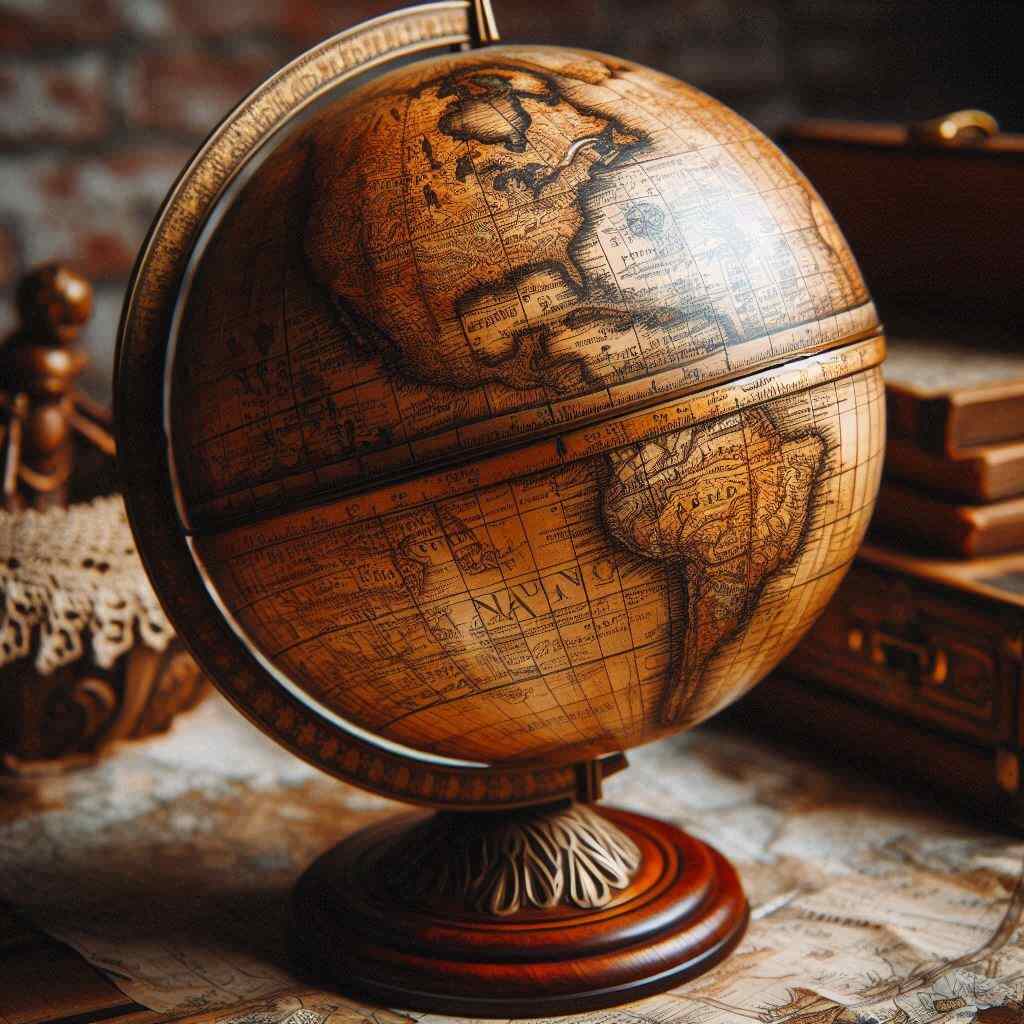
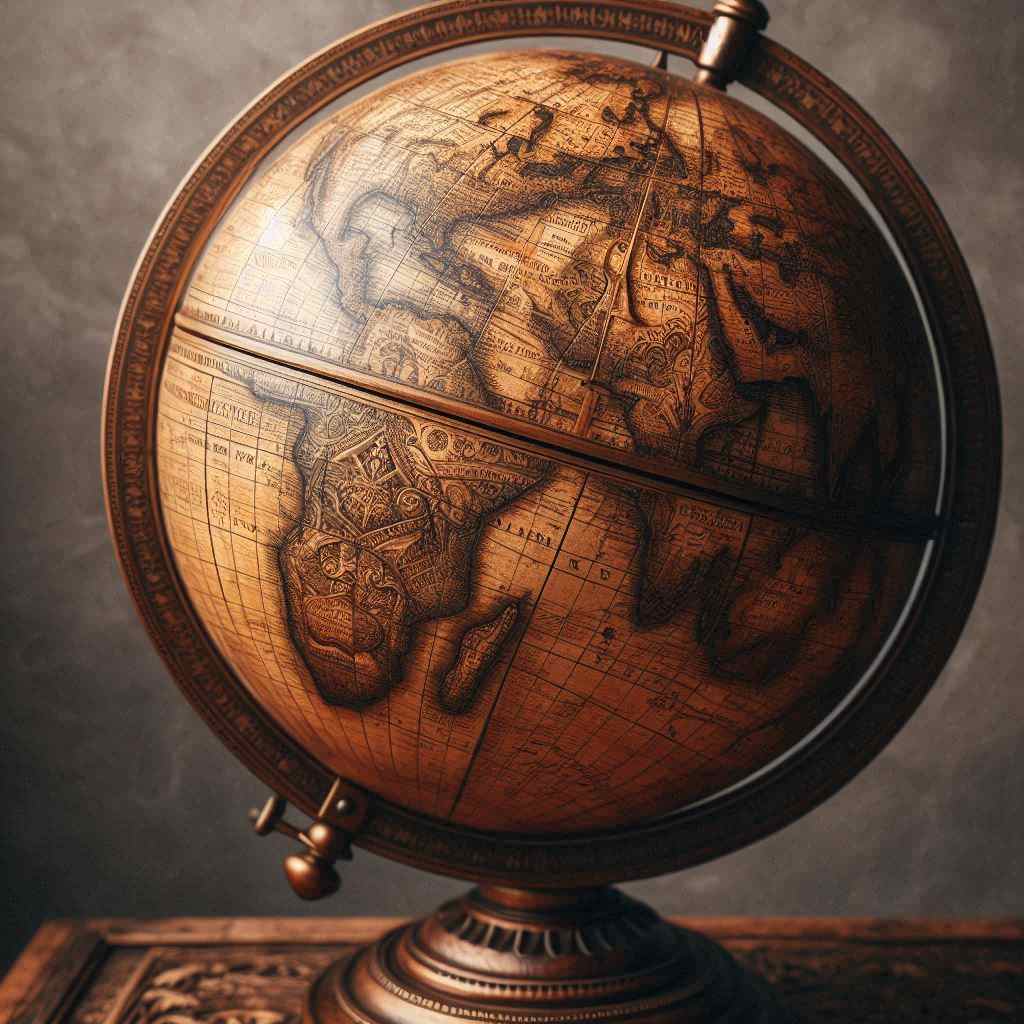
A globe on a stand is a spherical representation of the Earth or the celestial sphere, mounted on a supportive base. It’s designed not only for educational purposes but also as a decorative piece that adds sophistication to any space.
Historical Significance of Globes
Early Navigation Tools
In ancient times, globes were essential for navigation and exploration. Mariners and explorers relied on them to understand the Earth’s geography and to plot their voyages across uncharted waters.
Educational Use in Ancient Times
Globes served as vital educational tools in ancient civilizations. They helped scholars and learners grasp the concept of a spherical Earth, long before satellite imagery and modern technology.
Types of Globes
Terrestrial Globes
These globes depict the Earth’s continents, countries, and geographical features. They’re the most common type and are used extensively in education and decor.
Celestial Globes
Celestial globes represent the stars, constellations, and celestial bodies. They offer a glimpse into the night sky and are valuable tools for astronomy enthusiasts.
Planetary Globes
These globes showcase other planets in our solar system. They’re perfect for those fascinated by space and planetary science.
Materials Used in Globe Making
Traditional Materials
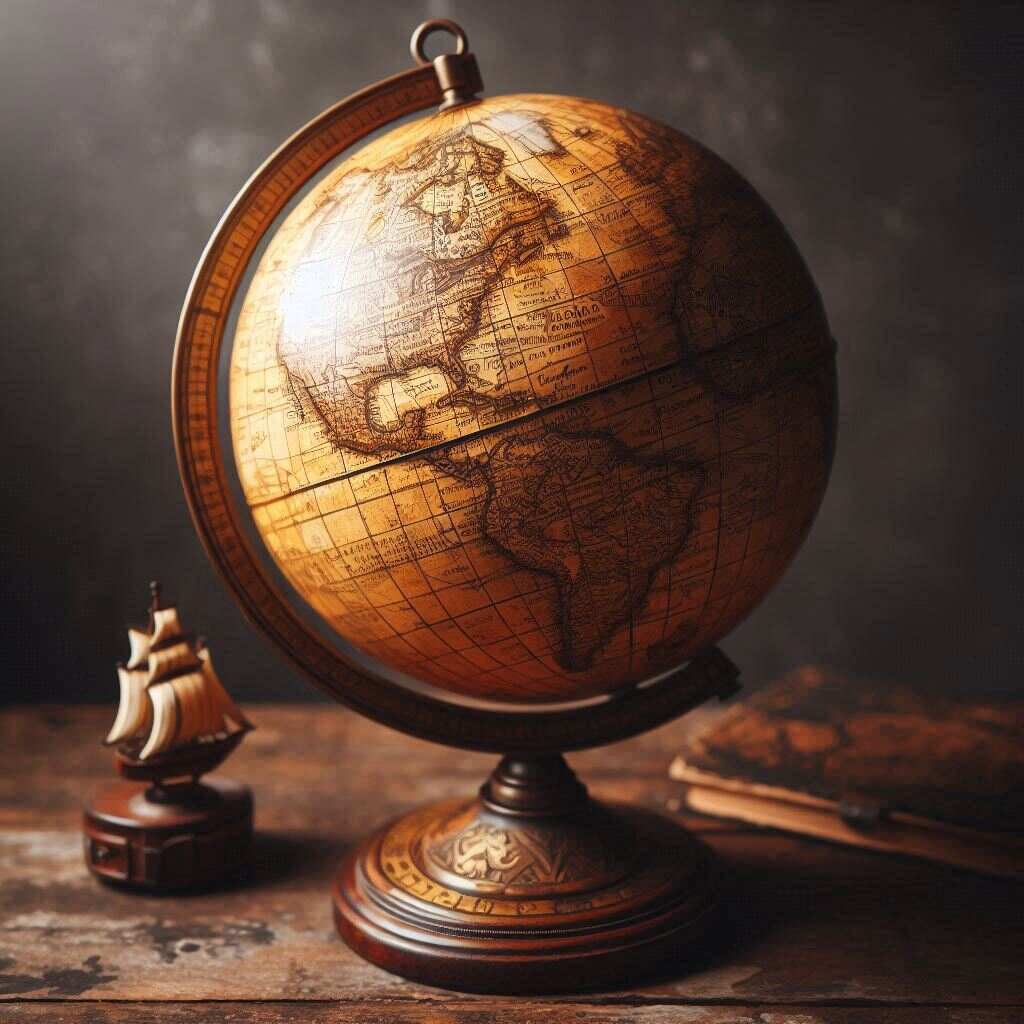
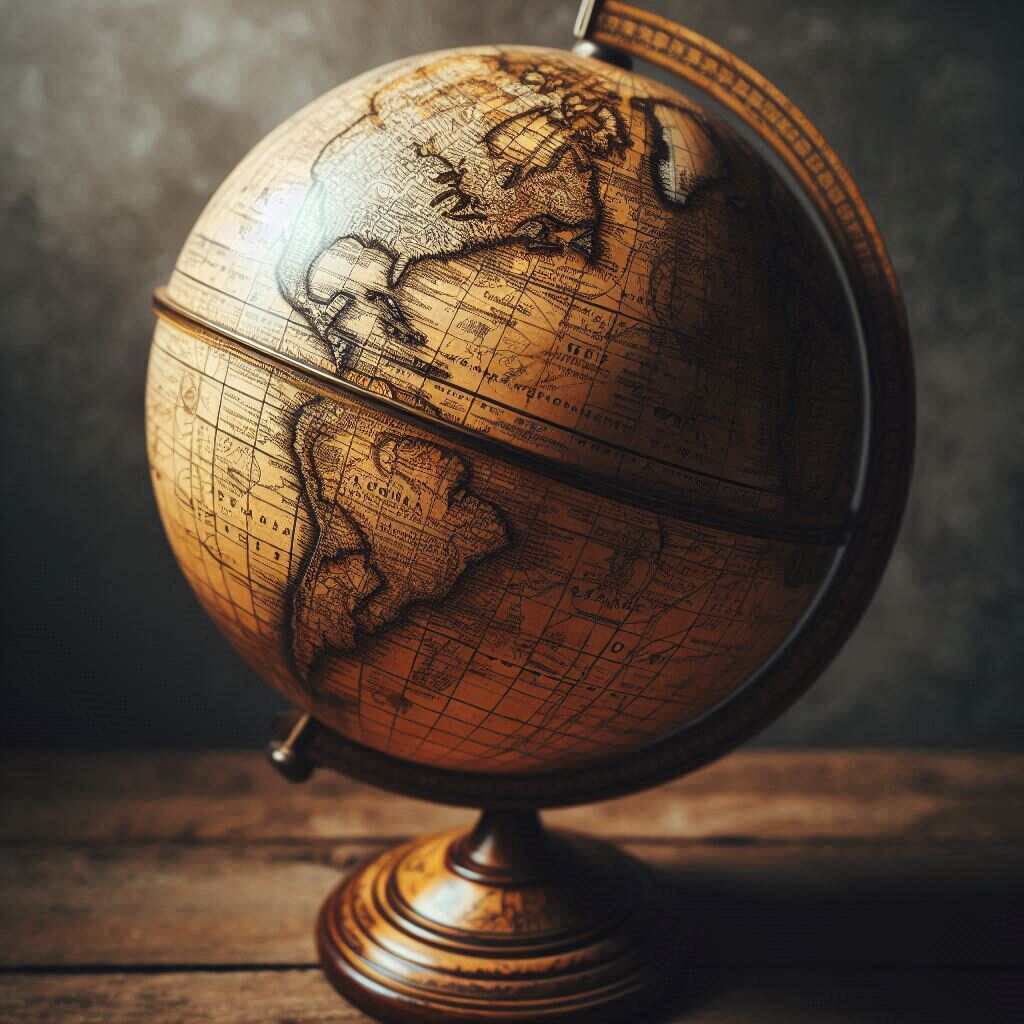
Historically, globes were crafted from materials like wood, metal, and paper. Artisans painstakingly applied hand-drawn maps onto the sphere, creating masterpieces that have stood the test of time.
Modern Innovations
Today’s globes often use durable plastics, resins, and advanced printing techniques. These innovations allow for more detailed and accurate representations of the Earth’s surface.
Design and Aesthetics
Artistic Elements
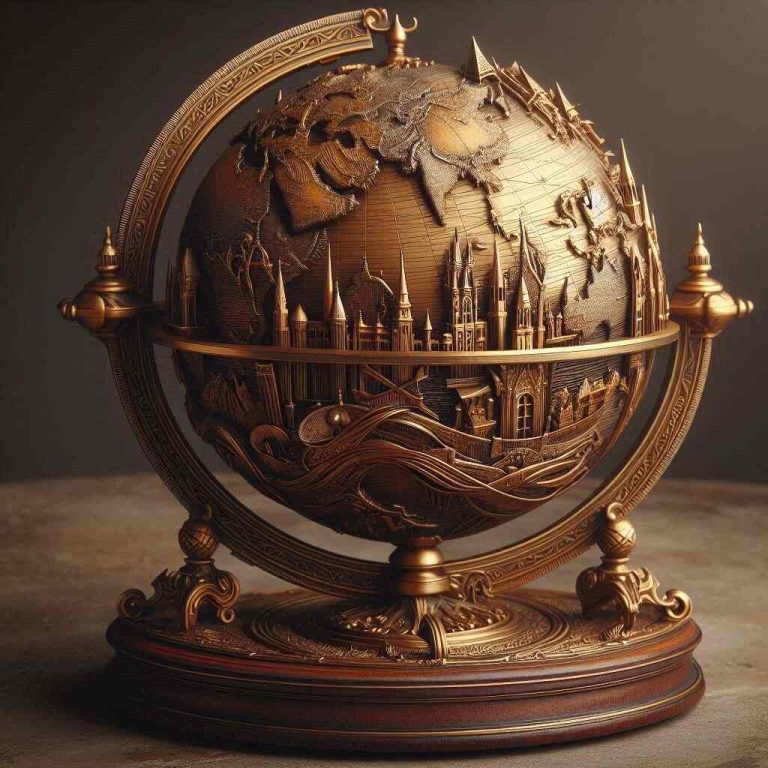
Globes can be works of art. Many feature elaborate illustrations, ornate stands, and intricate details that make them stand out as decorative pieces.
Cultural Representations
Some globes highlight cultural aspects, showcasing historical routes, famous landmarks, or indigenous art, adding depth and storytelling to their design.
The Globe Stand
Importance of the Stand
The stand isn’t just functional; it’s an integral part of the globe’s aesthetic. It elevates the globe, both literally and figuratively, allowing for smooth rotation and better viewing angles.
Different Styles of Stands
From classic wooden bases to sleek metal frames, stands come in various styles to match any decor. Some even feature antique finishes or modern minimalist designs.
Globes in Education
Learning Geography
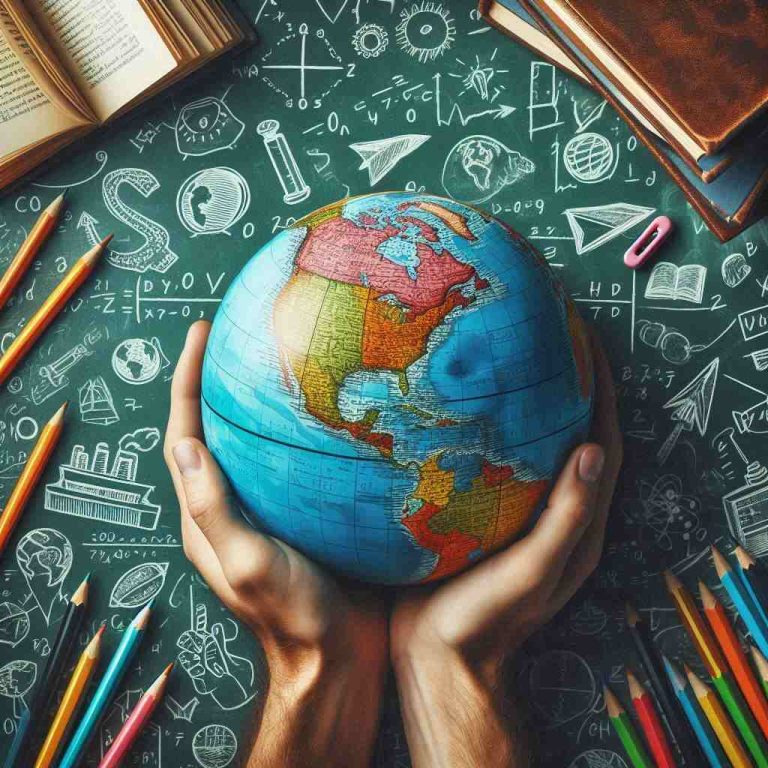
Globes are indispensable in teaching geography. They help students understand spatial relationships, time zones, and the true scale of continents and oceans.
Enhancing Spatial Awareness
By providing a three-dimensional view of the world, globes improve spatial thinking and help learners grasp complex geographical concepts more easily.
Decorative Use of Globes
Home Décor
A globe on a stand adds a touch of elegance to any room. Whether placed in a living room, study, or library, it serves as a conversation starter and a symbol of intellectual curiosity.
Office Spaces
In professional settings, globes convey a sense of worldly knowledge and sophistication. They’re perfect for executive offices, reception areas, and conference rooms.
Collecting Antique Globes
What to Look For
When collecting antique globes, consider factors like age, condition, maker, and historical significance. Rare globes or those made by renowned cartographers are especially valuable.
Preservation Tips
To preserve an antique globe, keep it away from direct sunlight, dust it gently, and avoid handling it excessively. Professional restoration services can help maintain its condition.
Technological Advancements
Digital Globes
The advent of technology has given rise to digital globes. These interactive devices allow users to explore the world with touchscreens, LED displays, and up-to-date information.
Interactive Features
Modern globes may include features like augmented reality, voice control, and educational software, making learning more engaging and immersive.
Custom Globes
Personalized Maps
Custom globes allow you to personalize the Earth’s depiction. You can highlight travel destinations, mark significant locations, or even include personalized messages.
Custom Stands
Design a stand that reflects your style. Whether it’s engraved wood, sculpted metal, or a unique artistic creation, a custom stand makes your globe truly one-of-a-kind.
Globes as Gifts
For Students
A globe is an excellent educational gift for students. It encourages learning, sparks curiosity about the world, and can inspire future travels or studies.
For Travelers
For those bitten by the travel bug, a globe serves as a memento of past adventures and a source of inspiration for future journeys.
Caring for Your Globe
Cleaning Tips
Regularly dust your globe with a soft, dry cloth. Avoid using harsh chemicals or abrasive materials that could damage the surface.
Maintenance of the Stand
Ensure that the stand remains sturdy and clean. Tighten any loose screws and polish wooden or metal stands to maintain their luster.
Conclusion
A globe on a stand is more than just a map—it’s a symbol of exploration, learning, and the beauty of our planet. Whether used as an educational tool, a decorative piece, or a collectible, it brings the world closer to home.
FAQs
- Why choose a globe over a map?
- Globes provide a three-dimensional perspective of the Earth, offering more accurate representations of distances and spatial relationships.
- How often are globes updated?
- Globe manufacturers update their products periodically to reflect political changes, new discoveries, and geographical updates.
- Can I customize the information on a globe?
- Yes, many companies offer custom globes where you can add personalized details or focus on specific themes.
- What size globe is best for educational purposes?
- A globe between 12 to 16 inches in diameter is ideal for classroom use, providing enough detail without being too cumbersome.
- Are there globes that light up?
- Yes, illuminated globes are available. They can serve as educational tools and ambient lighting in a room.
- How do celestial globes differ from terrestrial ones?
- Celestial globes map the stars and constellations, while terrestrial globes represent the Earth’s surface.
- Is it difficult to maintain an antique globe?
- With proper care and minimal handling, maintaining an antique globe is manageable. Consulting a professional for restoration is advisable.
- Can globes be used for professional purposes?
- Absolutely. Globes are valuable in fields like education, geography, aviation, and maritime navigation training.
- What materials are best for a durable globe?
- Globes made from high-quality plastics or metals with sturdy stands tend to be the most durable.
- Where should I place a globe in my home?
- Place it in a prominent location where it can be appreciated, such as a living room, study, or office.