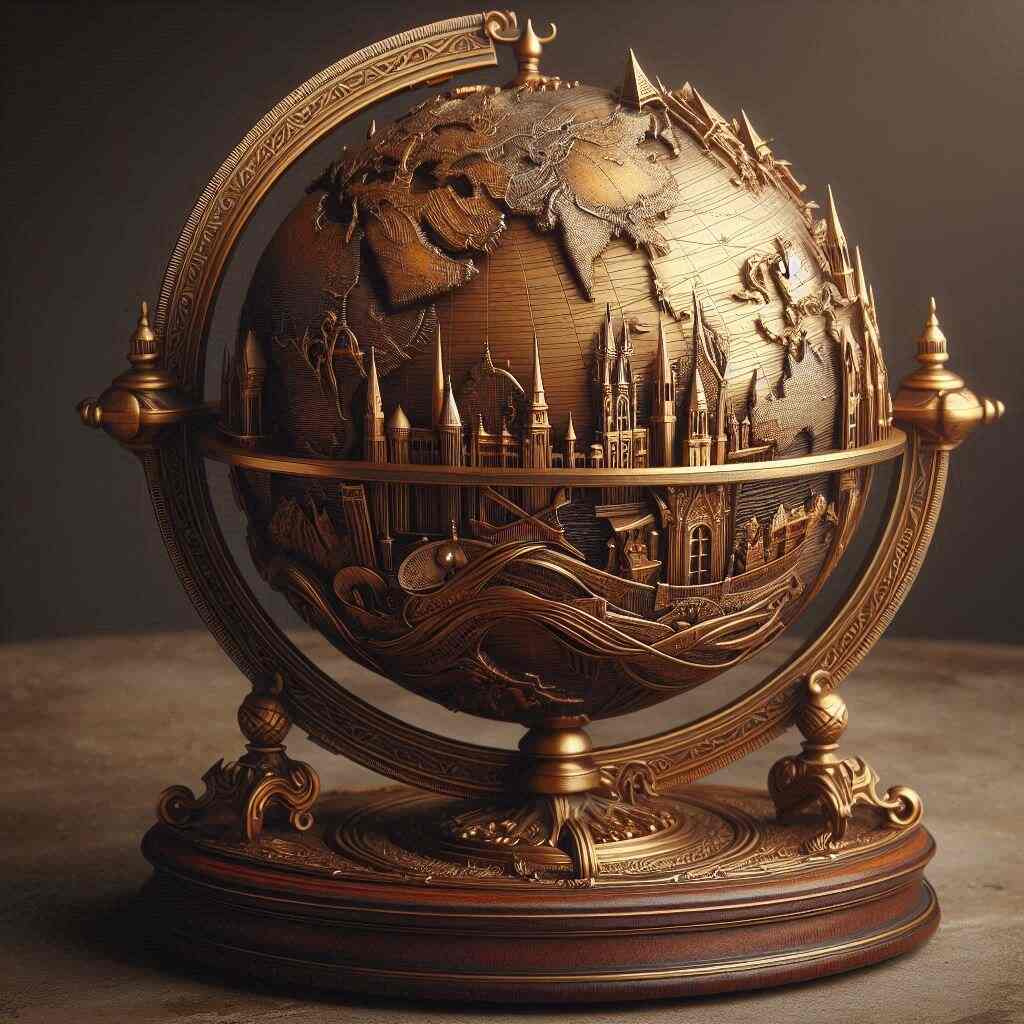
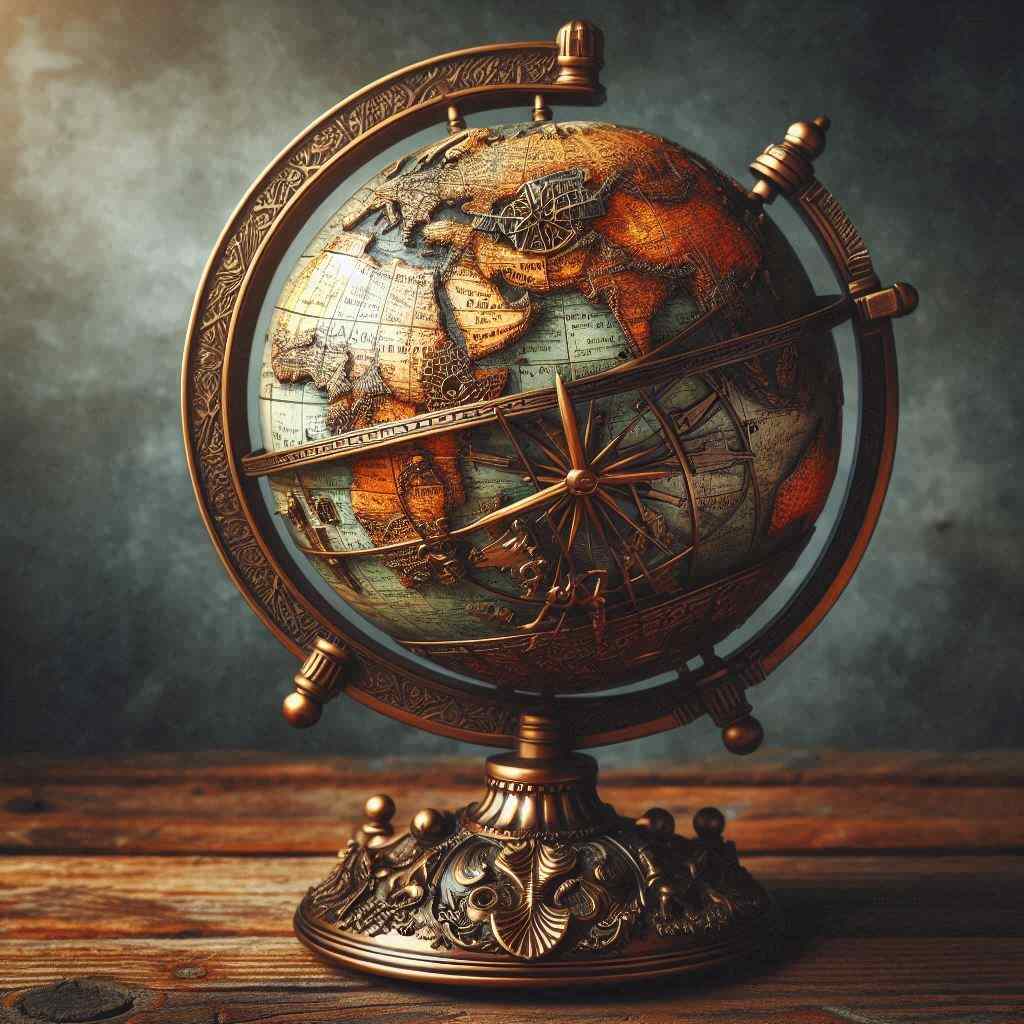
8 Antique Texture Globe with Metal and Wooden Stand
Antique globes have long fascinated historians, designers, and collectors alike. Their ability to blend rich historical significance with aesthetic charm has made them a centerpiece of elegance in homes and offices. But what happens when you pair this old-world charm with the durability and allure of metal and wooden stands? In this article, we explore the majestic appeal of the 8 antique textured globes, each supported by a stunning combination of metal and wood.
| Globe Type | Texture Description | Stand Material | Size (inches) | Era | Key Features |
|---|---|---|---|---|---|
| 1. Classic Globe | Smooth, basic geographic features | Metal (Brass) & Wood (Oak) | 12-18 inches | Early 19th Century | Basic Earth representation, subtle aging |
| 2. Colonial Era Globe | Bold colors, empire boundaries marked | Metal (Iron) & Wood (Mahogany) | 14-20 inches | 18th-19th Century | Represents old world empires, vibrant colors |
| 3. Celestial Globe | Star and constellation patterns, slightly textured | Metal (Brass) & Wood (Walnut) | 10-16 inches | 17th Century | Shows constellations and zodiac signs |
| 4. Victorian Globe | Highly detailed, intricate and glossy textures | Metal (Iron) & Wood (Maple) | 12-22 inches | 19th Century | Ornate design, highly decorative |
| 5. Renaissance Globe | Hand-painted, detailed topography, artistic map textures | Metal (Steel) & Wood (Cherry) | 16-24 inches | 15th-16th Century | Reflects world exploration and Renaissance-era mapmaking |
| 6. Baroque Globe | Heavy texture with elaborate, grandiose features | Metal (Bronze) & Wood (Teak) | 18-26 inches | 17th-18th Century | Lavish and decorative, intricate patterns |
| 7. Navigational Globe | Practical, shows sea routes and wind directions, rough texture | Metal (Iron) & Wood (Beechwood) | 12-20 inches | 16th-17th Century | Focus on navigation, routes for sailors, and cartographers |
| 8. Exploration Era Globe | Aged texture, includes newly discovered lands and territories | Metal (Brass) & Wood (Oak) | 14-18 inches | 15th-18th Century | Showcases newly charted territories from exploration voyages |
The Allure of Antique Globes
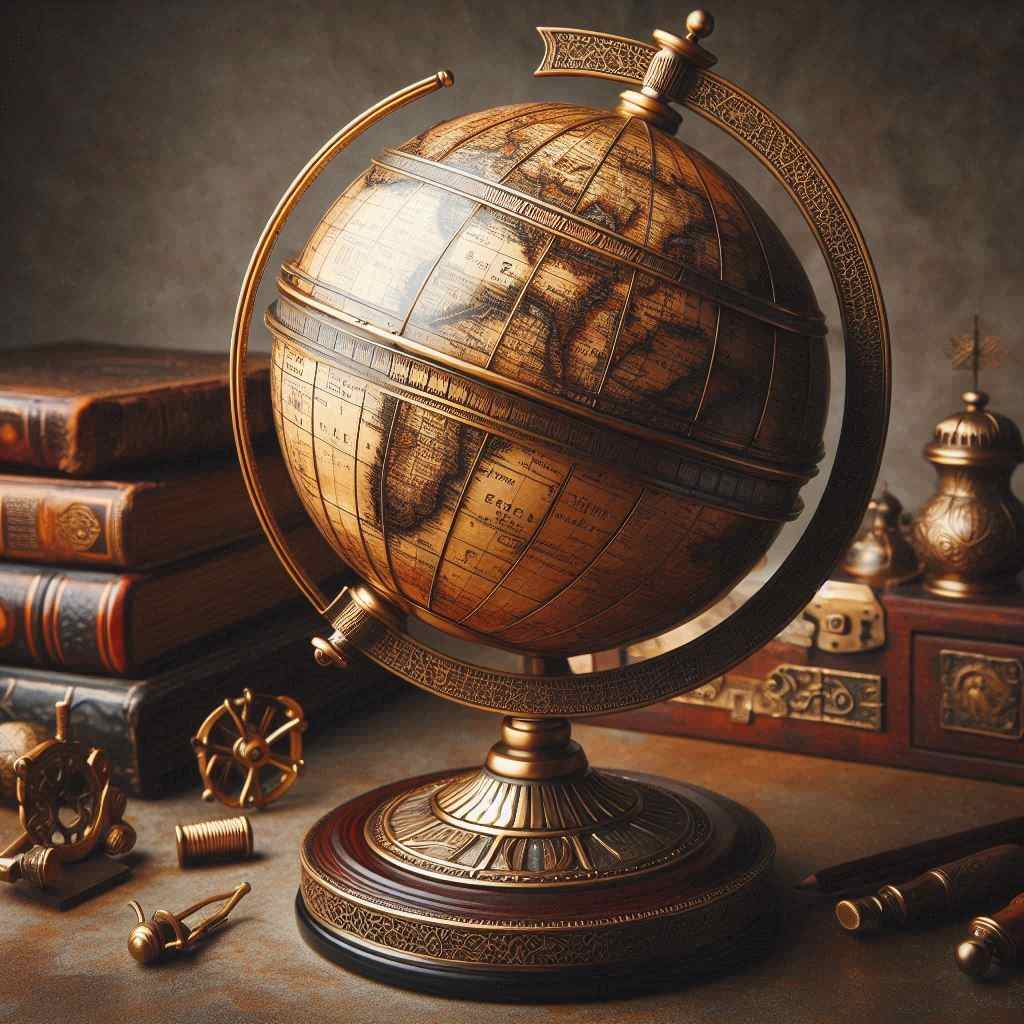
Antique globes symbolize much more than just decor. They evoke the spirit of discovery and exploration that shaped our modern world. The fascination with globes stems from their role in charting unknown territories and showcasing the world’s geography before satellites and GPS existed. Over the centuries, globes became iconic representations of knowledge, curiosity, and global exploration. Their appeal continues today, with many choosing antique globes as statement pieces to infuse a sense of adventure into their living spaces.
Understanding Antique Globe Textures
When we refer to the texture of a globe, we aren’t just talking about the feel of its surface. Antique-textured globes are designed to reflect the materials and artistic techniques used in earlier centuries. Whether crafted from parchment, hand-painted wood, or delicately carved plaster, these textures add a layer of authenticity and depth. The patina, or natural wear, is what gives antique globes their timeless, aged beauty.
The Unique Combination of Metal and Wood in Globe Stands
The stand is just as important as the globe itself, particularly when it comes to antique globes. The juxtaposition of metal and wood offers both durability and charm. Metal stands, often wrought iron or brass, give the globe a strong, stable foundation. Wood adds warmth, with rich, natural grains bringing life to the display. Together, metal and wood create an elegant balance that complements the antique globe’s history while enhancing its decorative appeal.
Exploring the 8 Types of Antique Textured Globes
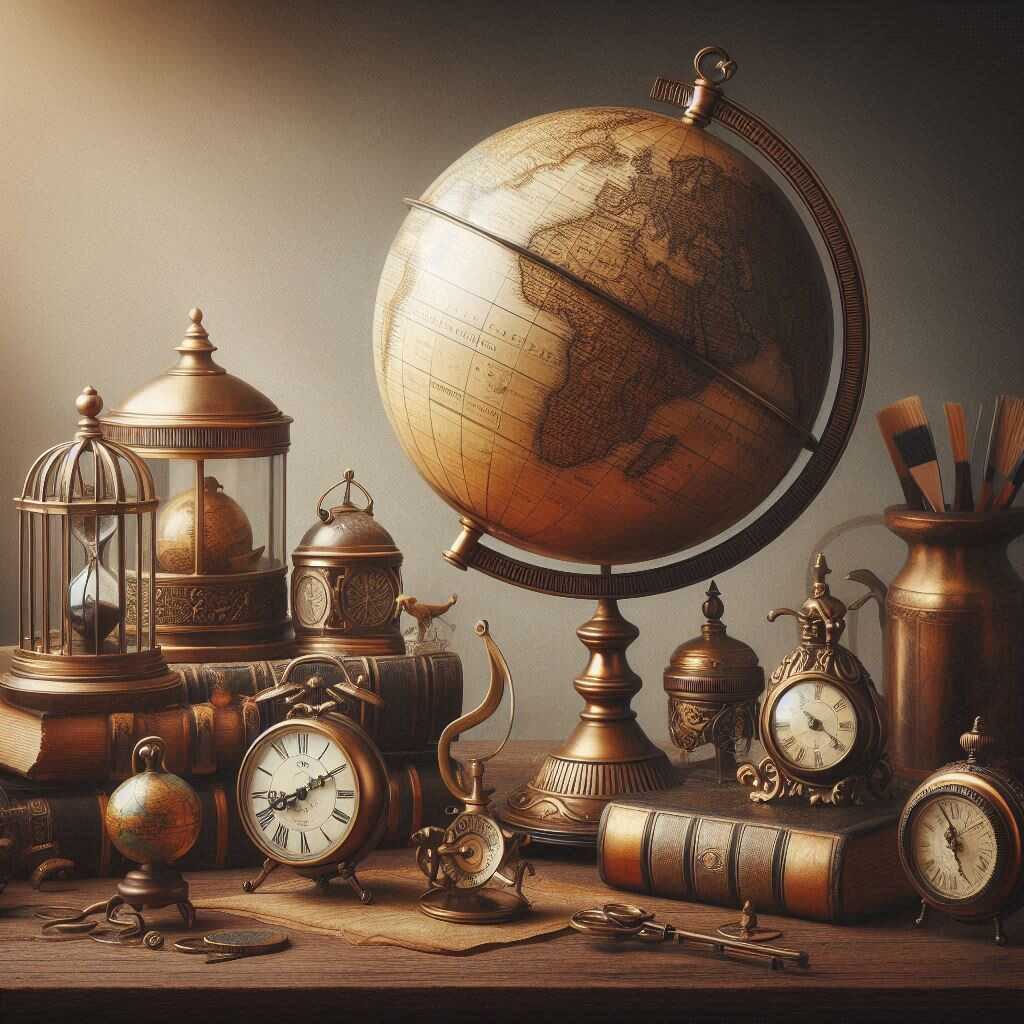
There are numerous styles of antique globes, but eight particular types stand out due to their unique textures and historical significance.
1. The Classic Globe
This is the most recognizable globe, often marked by smooth surfaces and pastel-colored continents. It encapsulates the basic form of Earth as known in the early 19th century.
2. The Colonial Era Globe
With bold colors and imperialistic representations, this globe type emphasizes the great empires of the past.
3. The Celestial Globe
Not limited to mapping Earth, celestial globes chart the heavens and constellations as seen from our planet, often textured with stars and astrological signs.
4. The Victorian Globe
Rich in detail, this globe reflects the design intricacies of the Victorian era, often with ornate features and artistic flourishes.
5. The Renaissance Globe
Typically hand-painted, these globes reflect the world as it was known during the age of discovery in the 15th and 16th centuries.
6. The Baroque Globe
Heavy, elaborate designs characterize this globe, reflecting the exuberance of the Baroque period.
7. The Navigational Globe
These globes were used by sailors and mapmakers to plot sea routes, often textured with shipping lanes and wind directions.
8. The Exploration Era Globe
Often showing the newest discoveries, this type of globe incorporates the geographical knowledge obtained during the age of exploration.
Features of Antique Textured Globes
What sets antique globes apart is not just their design but the quality of materials used. These globes are made from top-tier materials, including fine wood, brass, or other metals, with textures that have been developed through careful aging processes. The result is a piece of history you can touch, one that will only improve with time.
Why Choose a Metal and Wooden Stand?
Choosing a metal and wooden stand isn’t just about practicality—it’s about style. The metal offers durability, ensuring that your globe remains a stable and solid feature in your home. Wood, on the other hand, adds warmth and a timeless touch, with intricate carvings that enhance the globe’s overall aesthetic. The combination of both materials balances functionality with beauty.
Placement Ideas for Antique Globes in Your Home
When deciding where to place your antique globe, think of areas that draw attention. A study or library provides a scholarly atmosphere, while the living room makes it a conversation starter. An antique globe is also perfect for a home office, blending sophistication with a sense of adventure.
How to Care for Your Antique Globe
Maintaining your antique globe is essential for preserving its charm. Regularly dust it with a soft cloth and avoid direct sunlight to prevent fading. For metal stands, a gentle wipe with a damp cloth will suffice, and wooden stands can be polished occasionally to keep them looking fresh.
Buying Guide for Antique Globes with Metal and Wooden Stands
When purchasing an antique globe, it’s important to focus on authenticity. Look for reputable sellers who specialize in antique items, and check for signs of wear that suggest the globe’s age. Price-wise, these globes can range from a few hundred to several thousand dollars, depending on the age, condition, and rarity.
The Symbolism Behind Globes in Interior Design
Globes have always represented adventure and knowledge. Including a globe in your decor symbolizes a curiosity about the world and a desire to explore new horizons. An antique globe, in particular, adds a timeless elegance that transcends trends.
The History Behind Antique Globes
From early exploration to modern cartography, antique globes have played an essential role in human history. Their development reflects mankind’s journey to map the world, creating both practical tools and artistic masterpieces.
Modern Use of Antique Globes
In today’s design world, antique globes are used not only as decor but as a bridge between the old and new. They blend seamlessly into contemporary interiors, providing a contrast to modern furnishings while bringing history to life.
Restoring Antique Globes
Restoration can bring life back to a worn globe. Simple techniques like cleaning the surface and fixing minor stand repairs can refresh the piece. For more severe damage, professional restorers can work wonders.
Conclusion
An 8 antique texture globe with a metal and wooden stand is more than just a decorative item. It’s a connection to history, exploration, and art. Investing in one ensures you’re preserving a piece of the past, while also adding timeless beauty to your home.
FAQs
- Are antique globes valuable?
Yes, depending on their age, condition, and rarity, antique globes can be highly valuable. - How can I tell if a globe is antique?
Look for signs of aging, such as wear on the map surface and patina on the stand. - What materials are antique globes made from?
Antique globes are typically made from materials like wood, parchment, brass, and sometimes glass. - How should I clean an antique globe?
Use a soft, dry cloth to dust the globe and avoid any abrasive cleaning materials. - Can antique globes be used as educational tools?
While decorative, many antique globes also provide valuable insights into historical geography. - What does the texture of an antique globe indicate?
Texture often reflects the materials used in its construction and the artistic techniques of the time. - Why are some globes mounted on metal and wooden stands?
Metal offers durability, while wood provides aesthetic warmth, making the combination ideal for globe stands. - Where can I buy authentic antique globes?
Antique shops, specialized online platforms, and auction houses are great places to find authentic globes. - How can I restore an old globe stand?
Light cleaning and polishing can restore a wooden stand, while metal stands may need simple repairs. - What makes a globe ‘antique’?
A globe is considered antique if it was made over 100 years ago and shows distinct signs of aging or craftsmanship from that period.