Top Cosmic Globes: Guide to the Universe in Your Hands
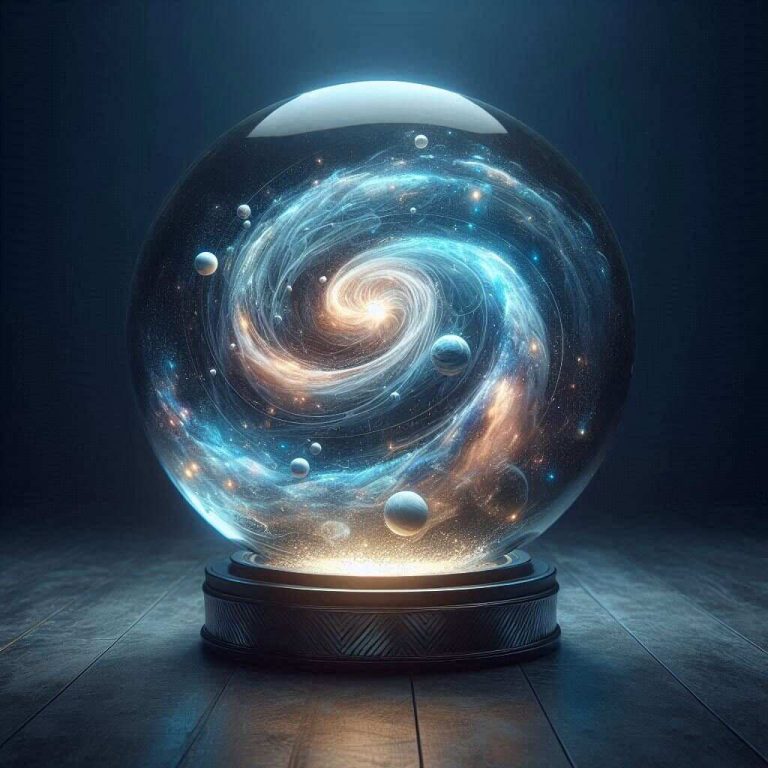
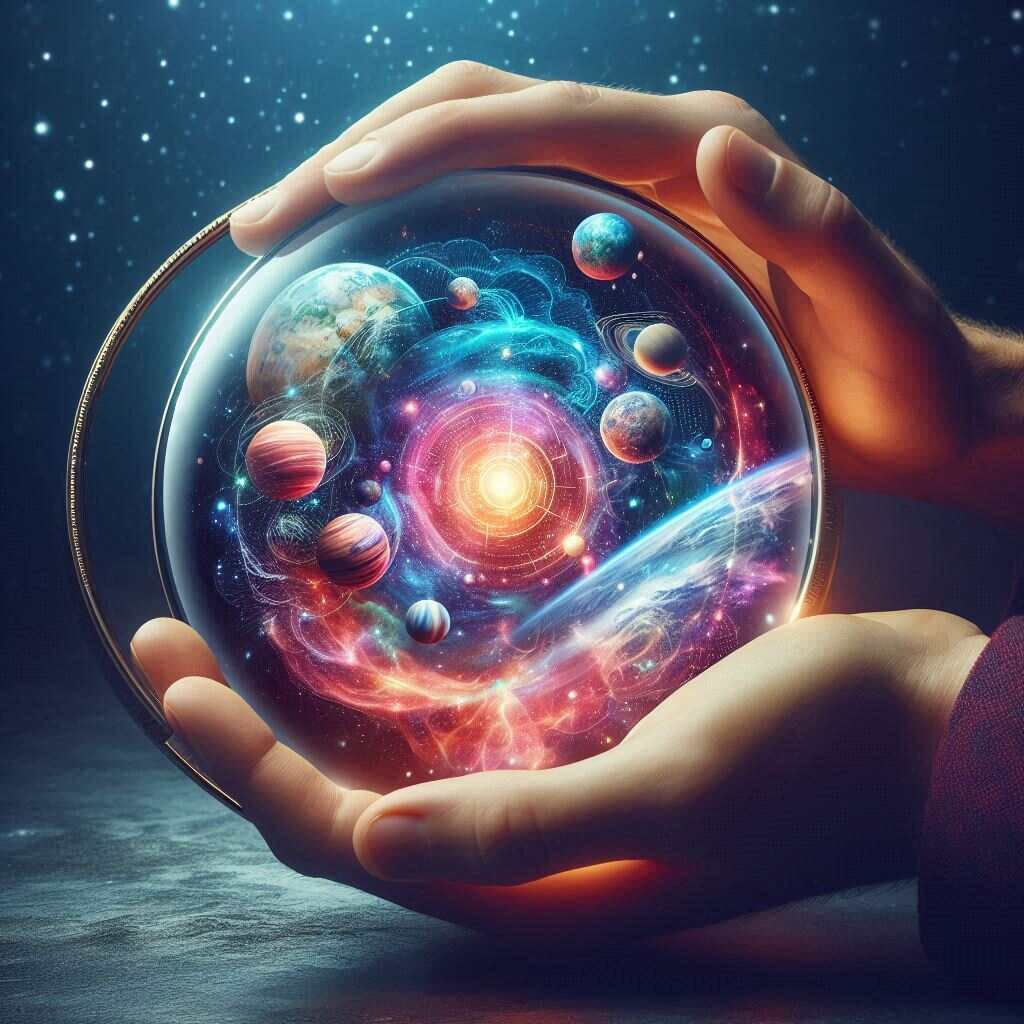
Imagine holding the universe in your hands. That’s what a cosmic globe offers—a detailed, beautiful representation of the stars, planets, and other celestial bodies that make up our cosmos. Cosmic globes are more than just decorative pieces; they are a window into the universe, offering a tangible connection to the stars that inspire wonder and curiosity in both children and adults alike.

| Globe Model | Brand | Material | Illumination | Interactive Features | Size | Price Range | User Rating | Notable Features |
|---|---|---|---|---|---|---|---|---|
| Replogle Celestial Globe | Replogle | Plastic | No | None | 12 inches | $50 – $100 | 4.5/5 | Traditional design, detailed star maps |
| Zoffoli Illuminated Celestial Globe | Zoffoli | Wood & Acrylic | Yes | None | 16 inches | $100 – $200 | 4.7/5 | Classic style, illumination feature |
| iGlobe Digital Interactive Globe | iGlobe | Plastic & Metal | No | Touchscreen, real-time data, app integration | 14 inches | $150 – $250 | 4.6/5 | Digital features, interactive experience |
| AstroReality Augmented Reality Globe | AstroReality | Polycarbonate & Resin | No | Augmented Reality, 3D celestial models | 6 inches | $200 – $300 | 4.8/5 | AR-enabled, 3D interactive features |
| MOVA Globe | MOVA | Acrylic | Yes | Rotation powered by ambient light | 8.5 inches | $150 – $300 | 4.7/5 | Self-rotating, no cords or batteries needed |
| National Geographic Astro Globe | National Geographic | Acrylic & Metal | Yes | None | 12 inches | $120 – $220 | 4.6/5 | Backed by National Geographic’s accuracy |
The History of Cosmic Globes

Early Representations of the Cosmos
Cosmic globes have a rich history that dates back centuries. The earliest representations of the cosmos were often flat maps, but as our understanding of the universe grew, so did the complexity of these models. Ancient civilizations, such as the Greeks and Chinese, created celestial spheres to map the heavens, laying the groundwork for the modern cosmic globe.
Evolution of Cosmic Globes Over Time
As technology advanced, so too did the accuracy and detail of cosmic globes. The transition from handcrafted celestial spheres to machine-crafted globes marked a significant evolution, making these tools more accessible to the public. The 20th century saw the introduction of illuminated globes, adding a new dimension to the experience by allowing users to view the stars in both daylight and nighttime settings.
How Cosmic Globes Are Made
Materials Used in Modern Cosmic Globes
Modern cosmic globes are crafted from a variety of materials, each chosen for its durability and aesthetic appeal. Common materials include acrylic, glass, and high-quality plastics, which allow for intricate detailing and long-lasting construction. The choice of material often influences the globe’s price and overall quality, with glass globes generally being more expensive and delicate.
The Process of Crafting a Cosmic Globe
Creating a cosmic globe is a meticulous process that combines art and science. It starts with the design phase, where astronomers and designers collaborate to ensure accuracy. Once the design is finalized, the globe is crafted, often using precision machinery to etch the stars and constellations onto the surface. Finally, the globe is assembled and tested to ensure it meets the highest standards of quality.
Types of Cosmic Globes

Traditional Celestial Globes
Traditional celestial globes are the most common type, featuring a map of the stars and constellations as seen from Earth. These globes are often used for educational purposes, helping students and astronomy enthusiasts learn about the night sky. They are usually non-interactive but highly detailed, making them both informative and visually appealing.
Modern Digital Cosmic Globes
Digital cosmic globes represent the cutting edge of celestial representation. These globes often come with interactive features, such as touchscreens or apps that allow users to explore the universe in greater detail. They can display real-time data, including current star positions and planetary movements, making them a favorite among tech-savvy astronomy lovers.
Interactive Augmented Reality (AR) Cosmic Globes
The latest innovation in the world of cosmic globes is the introduction of AR technology. These globes allow users to interact with the cosmos in a way that was previously impossible. By simply pointing a smartphone or tablet at the globe, users can see additional information, animations, and even 3D models of celestial bodies. This type of globe is perfect for those who want a more immersive experience.
Top Cosmic Globes in the Market
A Rundown of the Best-Selling Cosmic Globes
When it comes to choosing a cosmic globe, the options can be overwhelming. To help you make an informed decision, here’s a rundown of some of the top-selling cosmic globes on the market:
- Replogle Celestial Globe: Known for its detailed representation and classic design, this globe is a favorite among traditionalists.
- Zoffoli Illuminated Celestial Globe: This globe combines beauty and functionality with its illuminated feature, making it a stunning addition to any room.
- iGlobe Digital Interactive Globe: For tech enthusiasts, the iGlobe offers an interactive experience with real-time data and touchscreen capabilities.
- AstroReality Augmented Reality Globe: This AR-enabled globe is perfect for those who want to explore the cosmos in 3D, providing a unique and educational experience.
Comparison of Features, Prices, and User Reviews
| Globe Model | Features | Price Range | User Rating |
|---|---|---|---|
| Replogle Celestial Globe | Traditional design, non-illuminated | $50 – $100 | 4.5/5 |
| Zoffoli Illuminated Celestial Globe | Illuminated, classic style | $100 – $200 | 4.7/5 |
| iGlobe Digital Interactive Globe | Touchscreen, real-time data | $150 – $250 | 4.6/5 |
| AstroReality Augmented Reality Globe | AR features, 3D models | $200 – $300 | 4.8/5 |
Choosing the Right Cosmic Globe for You
Factors to Consider: Size, Detail, and Interactivity
When choosing a cosmic globe, consider what matters most to you. If you value detail, a traditional globe with intricate star maps might be your best bet. If you prefer interactivity, a digital or AR globe could provide a more engaging experience. Additionally, consider the size of the globe and where you plan to display it—larger globes make a statement, while smaller ones are more versatile.
Budget vs. Features: What Should You Prioritize?
Your budget will likely play a significant role in your decision. While more expensive globes offer advanced features like interactivity and real-time data, there are plenty of affordable options that still provide a beautiful and accurate representation of the cosmos. Decide which features are most important to you and choose accordingly.
The Educational Value of Cosmic Globes
How Cosmic Globes Enhance Learning
Cosmic globes are powerful educational tools, making abstract concepts more tangible. By visualizing the positions of stars and planets, students can better understand the structure of the universe and the movements of celestial bodies. These globes can also spark a lifelong interest in astronomy and science.
Cosmic Globes in Classrooms: A Teacher’s Perspective
Teachers often find cosmic globes to be invaluable in the classroom. They provide a hands-on learning experience that can complement textbook lessons, helping students grasp complex astronomical concepts. Moreover, the visual and tactile nature of globes can cater to different learning styles, making science more accessible to all students.
Cosmic Globes as Decorative Pieces
Adding a Touch of the Universe to Your Home Decor
Beyond their educational value, cosmic globes are also stunning decorative pieces. They can add a touch of elegance and sophistication to any room, whether it’s a study, living room, or office. Their intricate designs and glowing features make them a perfect focal point for those who love to stargaze from the comfort of their home.
Cosmic Globes for Different Interior Styles
Cosmic globes can complement a variety of interior styles, from modern to vintage. A sleek, digital globe might fit well in a contemporary space, while a traditional, handcrafted globe could enhance a more classic or eclectic decor. The key is to choose a globe that aligns with your personal taste and the overall aesthetic of your space.
The Future of Cosmic Globes
Innovations in Cosmic Globe Technology
The world of cosmic globes is constantly evolving, with new technologies pushing the boundaries of what these globes can do. Augmented reality and virtual reality are becoming increasingly popular, allowing users to explore the cosmos in ways that were once only possible in science fiction. As technology continues to advance, we can expect cosmic globes to become even more interactive and immersive.
The Impact of Space Exploration on Cosmic Globe Designs
As our understanding of the universe expands through space exploration, so too do the designs of cosmic globes. New discoveries, such as exoplanets and distant galaxies, are being incorporated into these globes, providing an up-to-date representation of the cosmos. This makes cosmic globes not only a snapshot of our current knowledge but also a tool that evolves with our understanding of the universe.
Caring for Your Cosmic Globe
Maintenance Tips for Long-Lasting Cosmic Globes
To ensure your cosmic globe remains in pristine condition, it’s important to follow some basic maintenance tips. Keep your globe clean by dusting it regularly with a soft, dry cloth. Avoid placing it in direct sunlight, as this can cause the colors to fade over time. If your globe is illuminated, make sure to replace the light bulb as needed to maintain its glow.
Common Issues and How to Fix Them
Common issues with cosmic globes include loose fittings, fading colors, and mechanical problems in digital globes. Most of these issues can be fixed with simple tools and a bit of patience. For example, loose fittings can often be tightened with a screwdriver, and fading colors can be restored with a touch-up pen or paint.
DIY Cosmic Globe Projects
How to Make Your Own Cosmic Globe at Home
Creating your own cosmic globe can be a fun and rewarding project. Start with a basic globe, and use paint or decals to add stars, constellations, and other celestial details. You can even use glow-in-the-dark paint to create a luminous effect. For a more advanced project, consider incorporating LED lights or even a small motor to make your globe rotate.
Customizing a Pre-Made Cosmic Globe
If you’re not up for a full DIY project, you can still customize a pre-made cosmic globe to make it your own. Add personalized touches like a custom stand or base, or enhance the globe with additional star maps or constellation guides. This allows you to create a unique piece that reflects your personal style and interests.
Cosmic Globes in Popular Culture
Famous Appearances of Cosmic Globes in Movies and TV Shows
Cosmic globes have made their mark in popular culture, appearing in numerous movies and TV shows. They often symbolize wisdom, exploration, and a connection to the universe. For example, a cosmic globe might be found in the study of a wise old scientist or the headquarters of a space exploration agency, serving as a visual representation of their quest for knowledge.
The Symbolism of Cosmic Globes in Art and Literature
In art and literature, cosmic globes often symbolize the human desire to understand the universe. They represent both our knowledge and our curiosity, serving as a reminder of how far we’ve come in our exploration of the cosmos—and how much we have yet to discover. This symbolism makes cosmic globes a popular subject in works that explore themes of science, discovery, and the unknown.
The Science Behind Cosmic Globes
Understanding the Celestial Sphere
The celestial sphere is an imaginary sphere that surrounds the Earth, on which all celestial bodies can be projected. Cosmic globes are based on this concept, providing a three-dimensional representation of the night sky. By understanding the celestial sphere, users can better appreciate how cosmic globes map the stars and constellations relative to the Earth’s position.
How Accurate Are Cosmic Globes?
While cosmic globes offer a detailed and beautiful representation of the cosmos, their accuracy can vary. Traditional globes may not account for the latest astronomical discoveries or changes in star positions over time. However, modern digital and AR globes are often updated with real-time data, making them highly accurate tools for exploring the universe.
Collecting Cosmic Globes
The Appeal of Cosmic Globe Collecting
For some, collecting cosmic globes is more than just a hobby—it’s a passion. The appeal lies in the beauty and craftsmanship of these globes, as well as their connection to the broader universe. Collectors often seek out rare or vintage globes, which can become valuable over time. Whether you’re drawn to the historical significance or the sheer artistry of these globes, collecting them can be a deeply rewarding experience.
Tips for Starting Your Own Collection
If you’re interested in starting your own cosmic globe collection, start by researching different types of globes and what makes them unique. Visit antique shops, online auctions, and specialty stores to find globes that catch your eye. Remember to focus on quality over quantity—it’s better to have a few well-crafted globes than a large collection of low-quality ones.
Conclusion
Owning a cosmic globe is like having a miniature universe in your home. Whether you’re an astronomy enthusiast, a student, or someone who simply appreciates the beauty of the cosmos, a cosmic globe can be a wonderful addition to your life. With advances in technology and design, these globes continue to evolve, offering new ways to explore and understand the universe. So why not bring the stars a little closer and discover the magic of cosmic globes?
FAQs
- What is the difference between a celestial globe and a cosmic globe?
A celestial globe is a type of cosmic globe that specifically maps the stars and constellations, while a cosmic globe can include other celestial bodies and sometimes even digital or interactive elements. - How accurate are cosmic globes?
The accuracy of cosmic globes varies. Traditional globes may not reflect the latest astronomical data, but modern digital and AR globes often provide real-time updates. - Can cosmic globes be used for navigation?
While cosmic globes provide a visual representation of the stars, they are not practical tools for navigation. Navigators typically use star charts or other instruments. - What materials are best for a durable cosmic globe?
Glass and high-quality plastics are often the best materials for durability and clarity in cosmic globes. - Are digital cosmic globes better than traditional ones?
It depends on your preference. Digital globes offer interactivity and up-to-date information, while traditional globes provide a classic and often more artistic representation of the cosmos. - How do you clean and maintain a cosmic globe?
Dust your globe regularly with a soft cloth, avoid direct sunlight, and handle it with care to prevent damage. - Can I create my own cosmic globe at home?
Yes! With some basic materials and creativity, you can create your own cosmic globe as a DIY project. - What are the benefits of having a cosmic globe?
Cosmic globes are educational, decorative, and can inspire curiosity about the universe. They make great gifts and can enhance the aesthetic of any room. - Are cosmic globes suitable for children?
Absolutely. Many cosmic globes are designed specifically for educational purposes, making them ideal for children interested in astronomy. - Where can I buy a high-quality cosmic globe?
High-quality cosmic globes can be found in specialty stores, online retailers, and sometimes in museum gift shops. Look for globes that are well-reviewed and made from durable materials.