Prehistoric Iran Plant Based Diet
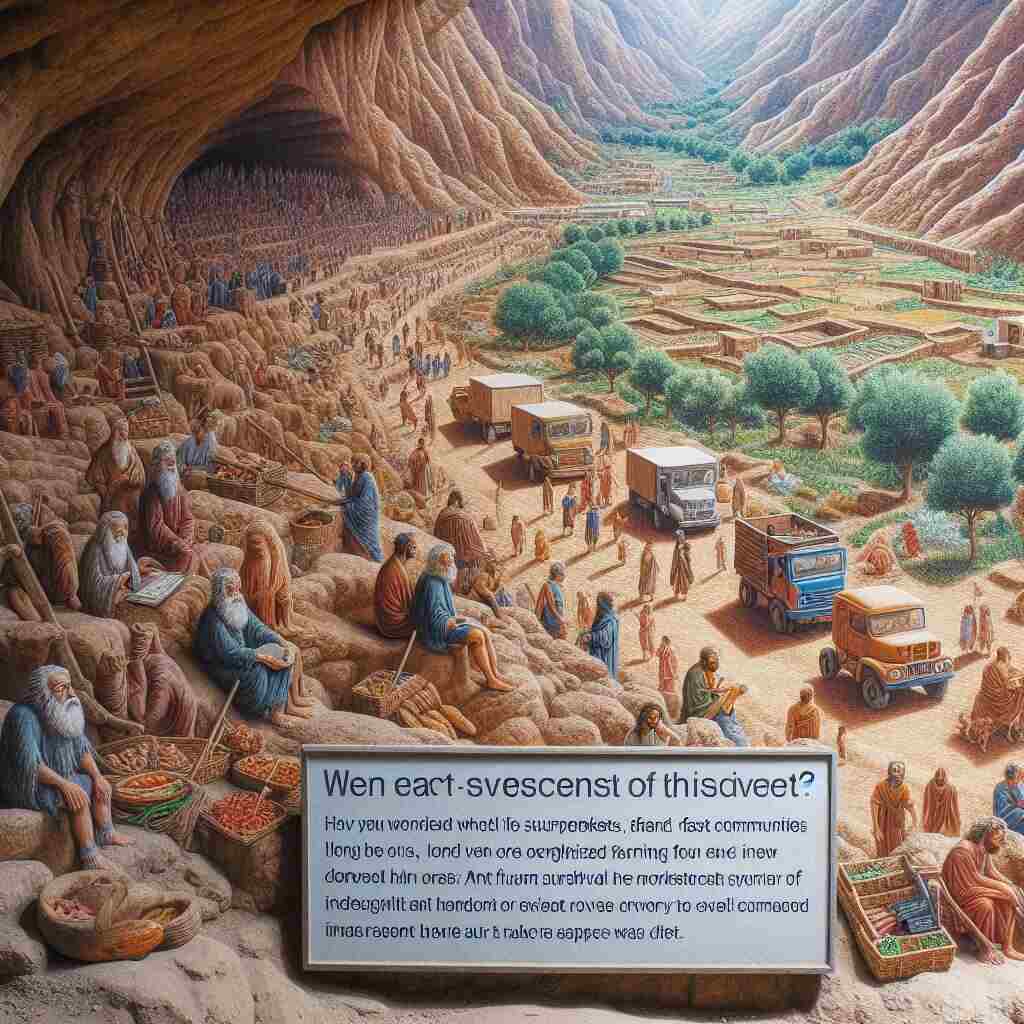
Have you ever wondered what life was like thousands of years ago, long before supermarkets, fast food, or even organized farming? Prehistoric Iran, a region filled with diverse landscapes and ancient communities, offers fascinating insights into early human survival. A key aspect of that survival was diet.
Surprisingly, prehistoric Iranians primarily consumed a plant-based diet. Why? Plants were abundant, relatively easy to gather or cultivate, and provided most of the nutrients early humans needed to survive. In this article, we’ll explore what foods made up this diet, how prehistoric Iranians farmed, and the lessons we can learn from their sustainable practices.
The Geography and Climate of Prehistoric Iran
Natural Landscape of Prehistoric Iran
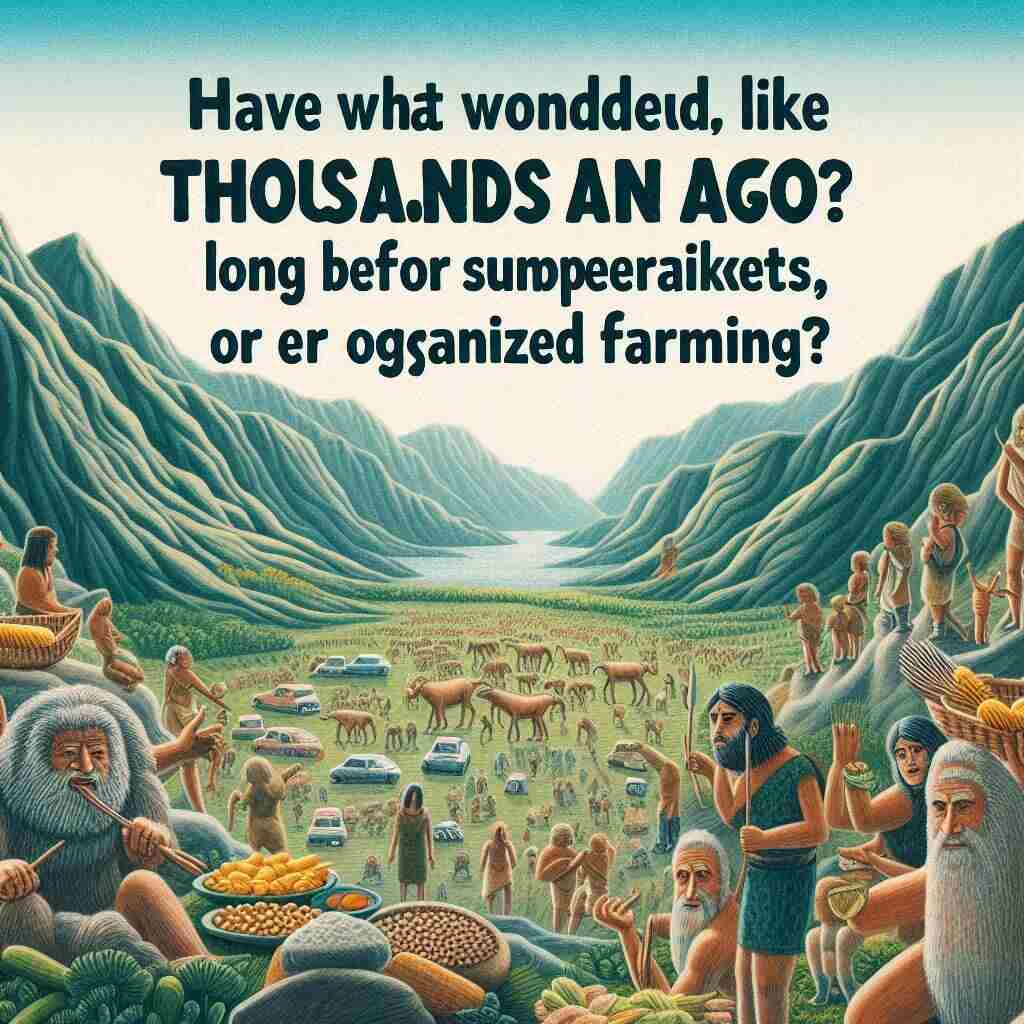
Prehistoric Iran had a varied landscape that significantly influenced the availability of food. The region was defined by:
- Zagros Mountains: Rich in wild grains and nuts, these mountains provided an excellent environment for foraging.
- Caspian Lowlands: Known for their lush vegetation, these areas supported fruits and wild herbs.
- Central Iranian Plateau: While arid, it had pockets of fertile land, perfect for early farming.
This diversity allowed prehistoric communities to gather or grow a wide variety of plants, creating a balanced diet.
Climatic Changes Over Millennia
The climate during prehistoric times wasn’t stable—it went through significant changes. For example:
- Ice Ages: These cooler periods reduced plant diversity, but hardy crops like barley and legumes thrived.
- Warming Periods: Allowed the growth of fruit-bearing trees like fig and date palms.
Such changes forced prehistoric Iranians to adapt, shifting their diet based on what the environment could provide.
Sources of Information on Prehistoric Diets

Archaeological Evidence
How do we know what prehistoric people ate? Archaeologists uncover clues like:
- Grinding stones: These were used to crush grains into flour, a practice that dates back tens of thousands of years.
- Pottery fragments: Often used for cooking or storing food.
- Charred plant remains: Found in ancient hearths, showing what foods were cooked.
These artifacts give us direct evidence of what was on the menu in prehistoric times.
Anthropological Insights
Anthropologists study ancient human remains to learn about diet. For instance:
- Tooth wear patterns: Suggest heavy consumption of fibrous foods like grains and greens.
- Bone chemistry: Indicates the proportion of plant-based foods in the diet.
By comparing these findings with similar regions, researchers paint a detailed picture of prehistoric diets.
Botanical Discoveries
Fossilized seeds and plant remains are like a time capsule for botanists. They’ve found evidence of:
- Wild barley and wheat: The ancestors of today’s cultivated grains.
- Edible nuts and seeds: Like almonds and sesame, which were widely consumed.
These discoveries help us understand the transition from foraging to farming.
Components of a Plant-Based Diet in Prehistoric Iran

Grains and Cereals
Grains were the cornerstone of the prehistoric Iranian diet. Common types included:
- Barley: One of the earliest cultivated grains, rich in fiber.
- Wheat: Used to make flatbreads and porridge.
- Millet: A drought-resistant grain, perfect for arid areas.
These grains provided essential carbohydrates and were versatile in cooking.
| Grain | Preparation Method | Nutritional Benefits |
|---|---|---|
| Barley | Ground into flour | High in fiber, boosts digestion |
| Wheat | Baked into bread | Good source of energy and protein |
| Millet | Cooked as porridge | Gluten-free, rich in magnesium |
Legumes and Pulses
Legumes were an essential protein source. Popular ones included:
- Lentils: Easy to grow and packed with nutrients.
- Chickpeas: A staple for soups and stews.
- Broad Beans: Provided plant-based protein for muscle strength.
These legumes were often dried for storage, ensuring food availability year-round.
Fruits and Nuts
Prehistoric Iranians had access to a variety of fruits and nuts:
- Dates and Figs: Natural sources of sugar and energy.
- Almonds and Pistachios: High in healthy fats, making them a valuable food.
- Pomegranates: Known for their tangy flavor and antioxidants.
These foods were often eaten fresh but could also be dried for later use.
Vegetables and Herbs
Wild greens and herbs were common in prehistoric cooking. Some examples include:
- Spinach and Mustard Greens: High in iron and vitamins.
- Mint and Thyme: Used to flavor food and possibly for medicinal purposes.
These plants added both nutrition and variety to meals.
Edible Seeds and Oils
Seeds like sesame and flax were used to extract oil. These oils were:
- Nutrient-rich: Containing omega-3 fatty acids.
- Versatile: Used for cooking and preserving food.
How Prehistoric Iranians Cultivated Their Food
Transition from Foraging to Farming
For thousands of years, prehistoric Iranians depended on foraging. However, they gradually began farming. Key milestones included:
- Domestication of grains: Wild barley and wheat were cultivated.
- Settlement near fertile lands: Allowed communities to grow crops in one place.
This shift marked the beginning of agricultural society in the region.
Irrigation and Farming Techniques
Prehistoric farmers developed ingenious methods to irrigate their fields, such as:
- Canals and ditches: Directed water to crops in arid areas.
- Terracing: Prevented soil erosion on slopes, increasing productivity.
These techniques allowed them to cultivate larger areas and sustain growing populations.
Cultural Aspects of Diet
Role of Food in Rituals and Traditions
Food wasn’t just for survival; it had symbolic meanings too. For example:
- Grains in rituals: Represented life and abundance.
- Feasts: Brought communities together to celebrate harvests.
Food connected prehistoric Iranians to their environment and each other.
Dietary Variations Across Regions
Different areas of Iran had access to different foods. For instance:
- Mountain regions: Focused on nuts and hardy grains.
- Plains: Supported diverse crops like fruits and vegetables.
This regional diversity added richness to the overall diet.
Modern Lessons from Prehistoric Plant-Based Diets
Inspiration for Modern Plant-Based Diets
Prehistoric diets, simple yet nutritious, inspire today’s plant-based trends. Using ancient ingredients like lentils and barley can help create balanced meals.
Sustainability Practices We Can Adopt
We can learn from their farming methods, such as:
- Water conservation: Through efficient irrigation systems.
- Crop rotation: To maintain soil fertility.
These practices are vital for addressing today’s environmental challenges.
Conclusion
Prehistoric Iran’s plant-based diet is a remarkable example of how humans adapted to their environment. It teaches us about resilience, sustainability, and the importance of natural resources. By revisiting these ancient practices, we can improve modern dietary and farming systems for a healthier planet.
FAQs
- What did prehistoric Iranians eat?
They ate grains, legumes, fruits, nuts, and wild greens. - Why were grains important?
Grains like barley and wheat were easy to store and versatile in cooking. - Did they use spices?
Yes, herbs like mint and thyme added flavor to their meals. - How did they farm in arid regions?
They used irrigation systems and terracing techniques. - Were prehistoric diets healthy?
Yes, they were balanced, though occasionally deficient in some nutrients like B12. - What fruits were common?
Dates, figs, and pomegranates were popular. - Did they eat meat?
While primarily plant-based, they may have occasionally consumed small amounts of meat. - How was food preserved?
Through drying, fermenting, and storing in pottery. - What lessons can we learn?
Sustainable farming and plant-based eating can address modern environmental and health issues. - Why is this topic important?
It provides insights into human history and sustainable living practices.