Ferdinand Berthier: The Deaf Pioneer Who Shaped a Legacy
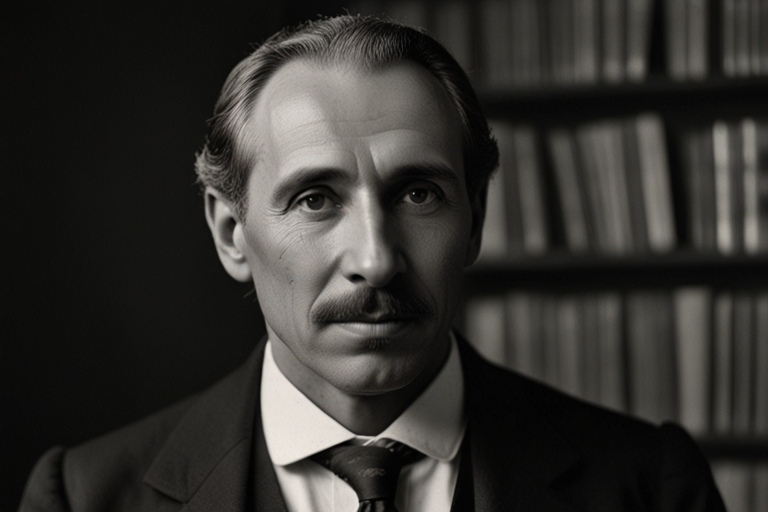
Ferdinand Berthier might not be a household name, but his impact on deaf education, culture, and advocacy is profound. Born in the 19th century, Berthier’s life was dedicated to championing the rights and visibility of the deaf community. Let’s delve into the life of this influential figure and explore how he transformed the world for the deaf.
| Fact | Detail |
|---|---|
| Full Name | Jean-Ferdinand Berthier |
| Date of Birth | September 30, 1803 |
| Place of Birth | Louhans, France |
| Date of Death | July 12, 1886 |
| Profession | Educator, Activist, Writer |
| Education | National Institute for the Deaf (Paris, France) |
| Mentor | Abbé Sicard |
| Notable Positions | Professor at the National Institute for the Deaf |
| Founded First Deaf Association | 1838, in France |
| Organized First Deaf Congress | 1851, Paris |
| Primary Advocacy Focus | Deaf Rights, Deaf Education, Recognition of Sign Language |
| Published Works | Authored several books and papers on deaf education, culture, and advocacy |
| Main Language Used | French Sign Language (LSF) |
| Awards and Recognition | Knight of the Legion of Honour (French government, 1849) |
| Influence on Deaf Culture | Pioneered the use of sign language in education, advocated for deaf identity and empowerment |
| Legacy | Considered a foundational figure in modern deaf advocacy, multiple schools and organizations named in his honor |
| Contemporary Relevance | Berthier’s work continues to influence deaf education systems and advocacy movements globally |
Who Was Ferdinand Berthier?
Ferdinand Berthier, born on September 30, 1803, in the small town of Louhans, France, was a trailblazer in advocating for the rights of deaf individuals. As one of the earliest deaf activists, Berthier used his life experiences to fuel his passion for deaf education, leading to his legendary status in the community.
Berthier’s Early Life and Education
Born deaf, Berthier faced many challenges that came with being part of a marginalized group in 19th-century France. However, his intellect and determination allowed him to excel in his studies at the National Institute for the Deaf in Paris, where he received formal education. Under the guidance of celebrated deaf educator Abbé Sicard, Berthier developed a deep understanding of sign language, linguistics, and pedagogy.
The Deaf Community’s Advocate
Berthier was not content with merely being an exceptional student. He was a fervent advocate for his peers. His activism began early, fighting for better educational resources and social recognition for the deaf community.
Berthier’s Pioneering Role in Deaf Education
Founding of the First Deaf Association
Berthier’s dedication to the deaf led him to create the first association of deaf individuals in France in 1838. This association served as a safe space where deaf individuals could gather, discuss issues relevant to their community, and support each other. It became a beacon of hope for many.
Teaching at the National Institute for the Deaf
After completing his education, Berthier became a professor at the very institution where he had been a student. His teaching methods were ahead of his time, emphasizing both sign language and the importance of bilingual education in deaf communities. His dedication to empowering others made him a revered figure among his students and peers.
Mentorship and Training of Deaf Teachers
Berthier was committed to training deaf teachers, recognizing the importance of having role models who shared the same experiences as their students. He trained many deaf individuals who would go on to become prominent educators themselves.
Contributions to Deaf Culture and Society

Advocate for Deaf Rights and Equality
Beyond his work in education, Berthier was also a fierce advocate for the legal rights of deaf individuals. He pushed for greater accessibility and fought against discrimination at every turn. His efforts paved the way for the recognition of sign language as a legitimate form of communication.
Cultural Legacy and Literary Works
While Berthier was known for his activism, he was also a prolific writer. His works, both literary and educational, left a lasting impact on deaf culture.
Published Works by Berthier
Berthier authored several books, many of which focused on deaf education and the need for societal reforms. His writings not only educated others about the deaf community but also inspired future generations of deaf writers and activists.
Berthier’s Influence on Deaf Literature
His literary contributions helped lay the foundation for what would become a rich deaf literary tradition. By encouraging deaf individuals to tell their own stories, Berthier empowered others to take pride in their culture and language.
Berthier’s Relationship with the French Government
Campaigning for Legal Recognition of the Deaf
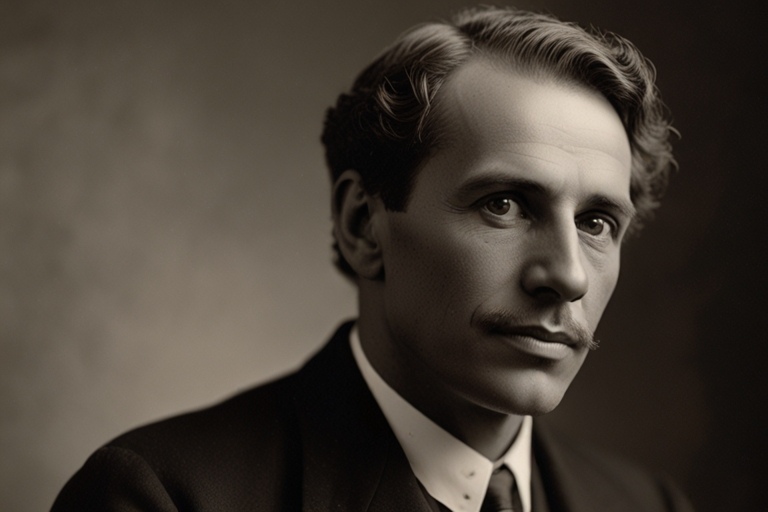
Berthier’s activism extended to the political arena. He worked tirelessly to gain legal recognition for the deaf community in France. His campaigns were pivotal in securing certain rights and protections for the deaf, particularly in the realms of education and employment.
Collaborations with Government Officials
Berthier’s diplomatic skills allowed him to form relationships with key government figures. His ability to articulate the needs and rights of the deaf community helped him make significant strides in his advocacy work.
Challenges Faced in His Advocacy
Despite his many successes, Berthier faced significant obstacles. Society at the time was largely dismissive of the deaf community, and Berthier often found himself battling entrenched prejudice and ignorance. Nevertheless, his perseverance in the face of adversity only strengthened his resolve.
The Creation of the World’s First Deaf Congress
The Purpose of the Congress
In 1851, Ferdinand Berthier organized the world’s first Deaf Congress. This event was revolutionary, bringing together deaf individuals from across Europe to discuss issues facing their community.
International Collaborations and Impact
The congress fostered international collaborations, allowing deaf individuals from different countries to share their experiences and strategies for advocacy. The event marked a pivotal moment in the global deaf rights movement.
Lasting Effects of the Congress on Deaf Advocacy
The success of the congress inspired similar events around the world, and it laid the groundwork for many of the advocacy organizations that continue to fight for deaf rights today.
Berthier’s Personal Life and Influence
Personal Challenges as a Deaf Individual
Berthier’s personal experiences as a deaf individual informed much of his work. He knew firsthand the challenges that came with being deaf in a hearing world, and he used those experiences to fuel his activism.
Relationships and Family Life
While not much is documented about Berthier’s family life, it is known that his relationships with his peers were vital to his success. He formed strong bonds with other deaf activists and educators, and together they worked to improve conditions for their community.
Berthier’s Legacy in Modern Deaf Culture
Today, Berthier is remembered as one of the founding figures of modern deaf culture. His work laid the foundation for the recognition and celebration of deaf identity and sign language as central to that identity.
The Lasting Impact of Ferdinand Berthier
Recognition and Awards Posthumously
Though Ferdinand Berthier did not receive widespread recognition during his lifetime, his contributions have been celebrated posthumously. Today, his name is synonymous with the early deaf rights movement, and he is considered one of its most important figures.
Institutions Named in Honor of Berthier
Several schools and organizations around the world have been named after Berthier, ensuring that his legacy continues to inspire future generations of deaf individuals and their allies.
The Global Influence of Berthier’s Work
Berthier’s influence extends far beyond France. His ideas about deaf education and advocacy have inspired similar movements in countries around the world, making him a global icon in the fight for deaf rights.
Conclusion
Ferdinand Berthier: A Pioneer in Deaf Advocacy
Ferdinand Berthier was more than just an educator or writer; he was a pioneer who fought for the rights of the deaf community. His legacy lives on in the countless individuals and organizations that continue to advocate for equality and accessibility today.
The Timeless Relevance of Berthier’s Contributions
Though he lived in the 19th century, Berthier’s work remains as relevant as ever. His ideas about education, advocacy, and cultural pride continue to resonate with deaf individuals around the world.
FAQs
What is Ferdinand Berthier best known for?
Ferdinand Berthier is best known for his work in deaf education and his advocacy for the rights of deaf individuals.
How did Berthier support the Deaf community?
Berthier supported the deaf community by founding the first deaf association, advocating for legal recognition, and organizing the first Deaf Congress.
What were Berthier’s most significant contributions to deaf education?
His most significant contributions include teaching at the National Institute for the Deaf and training deaf educators.
How did Berthier influence the French government’s stance on deaf rights?
Berthier lobbied the French government for legal recognition and rights for deaf individuals, influencing policy changes.
What role did Berthier play in founding the first Deaf Congress?
Berthier organized the world’s first Deaf Congress in 1851, promoting international collaboration for deaf rights.
How has Berthier’s work influenced modern deaf culture?
His emphasis on deaf identity, sign language, and advocacy laid the groundwork for modern deaf culture.
What were the challenges Berthier faced as a deaf individual in his era?
Berthier faced societal prejudice and limited resources but overcame these obstacles through perseverance and activism.
How is Ferdinand Berthier remembered today?
Berthier is remembered as a pioneering figure in the deaf rights movement, with institutions named in his honor.
How did Berthier’s writings shape deaf literature?
His works inspired a rich tradition of deaf literature, encouraging deaf individuals to tell their own stories.
What organizations continue Berthier’s work today?
Many deaf advocacy organizations worldwide continue Berthier’s mission for equal rights and recognition for the deaf community.