Does vapes Helps in Anxiety
Vaping has gained popularity as a potential aid for managing anxiety, with many users claiming that it helps to soothe their symptoms. Anxiety, a pervasive mental health issue, affects millions worldwide, leading them to seek various remedies. Vaping, involving the inhalation of vapor from e-cigarettes containing nicotine or other substances, is often considered an alternative to traditional smoking. However, understanding whether vaping truly helps with anxiety or if it potentially exacerbates the condition is crucial for making informed health decisions.
The Perception of Vaping as a Relaxation Aid
Many users of vapes report a subjective feeling of relaxation after use, which they often associate with relief from anxiety. This perception could be linked to the act of inhaling and exhaling deeply while vaping, which mimics breathing exercises used in anxiety management. Additionally, the variety of flavors and the social aspect of vaping with peers may also contribute to its calming effects. However, these short-term benefits must be weighed against the lack of long-term research supporting vaping as a safe and effective anxiety remedy.
Nicotine and Anxiety: Understanding the Connection
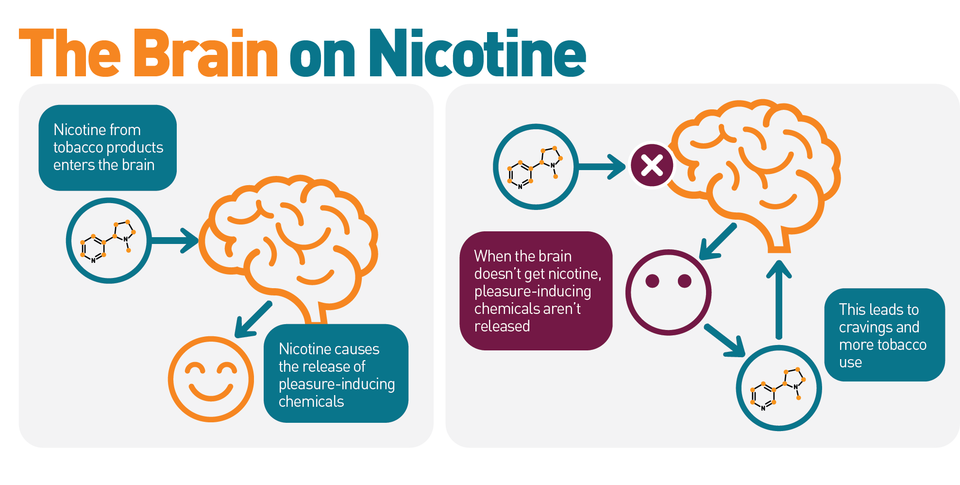
Nicotine, a common ingredient in many e-cigarettes, is a stimulant that can have complex effects on the body. While it may provide temporary relief of vape for anxiety symptoms by releasing dopamine, it also raises blood pressure and heart rate, which can increase feelings of anxiety and stress over time. Regular use of nicotine through vaping can lead to dependence and withdrawal symptoms, potentially worsening anxiety when the body craves the substance and it’s not available.
The Psychological Implications of Vaping
The psychological aspect of vaping can also play a significant role in its impact on anxiety. For some, the routine of vaping may serve as a psychological crutch or a form of self-medication, diverting attention away from stressors and providing a temporary escape from reality. However, this coping mechanism does not address the underlying causes of anxiety and can develop into a dependency that may increase anxiety levels when not managed properly.
Health Risks Associated with Vaping
While the immediate effects of vaping may seem beneficial for anxiety, there are significant health risks associated with long-term use. Vaping devices can emit harmful substances, including carcinogens and other toxic chemicals, that can have detrimental effects on physical health. The stress of potential health issues can in turn contribute to increased anxiety, creating a cycle of dependency and health concerns that may exacerbate the user’s overall mental well-being.
Vaping as a Replacement for Smoking: Is it Better?
For those who have turned to vaping as an alternative to smoking, the comparison in terms of anxiety management is noteworthy. While vaping is generally considered less harmful than smoking traditional cigarettes, it is not without risk. The transition from smoking to vaping might initially alleviate some anxiety due to reduced exposure to the numerous toxins found in cigarettes, but the long-term effects of vaping still present significant risks to health and mental state.
Conclusion
In conclusion, while vaping may offer some immediate relaxation benefits that can appear to alleviate symptoms of anxiety, it is crucial to approach this method with caution. The potential for dependence and the various health risks associated with vaping must be carefully considered. Those struggling with anxiety are advised to consult healthcare professionals to explore safer and more effective treatment strategies that address both the symptoms and the root causes of anxiety.
FAQs
Can vaping help to reduce anxiety?
Vaping might provide temporary relief from anxiety for some users due to the deep breathing-like action involved and the initial calming effect of nicotine. However, because nicotine is a stimulant, its long-term use can increase anxiety and stress levels, making vaping a less suitable solution for anxiety management over time.
Is vaping a safe alternative to smoking for anxiety management?
While vaping is often touted as a safer alternative to smoking cigarettes, it is not without risks. The reduction in exposure to the carcinogens and tar associated with traditional cigarettes may lessen some health risks, but vaping introduces its own set of health concerns, including potential harm from inhalation of vaporized chemicals. Therefore, it might be less harmful in some ways, but it is not completely safe.
What are the recommended treatments for anxiety if not vaping?
Healthcare professionals generally recommend a combination of therapy, such as cognitive-behavioral therapy (CBT) and possibly medication, depending on the severity of the anxiety. These methods are supported by extensive research and are considered effective long-term treatments for anxiety. Lifestyle changes, such as increased physical activity, a healthy diet, and good sleep habits, are also beneficial in managing anxiety.