Globes of the World with Stand: A Journey Through Time, Space, and Style
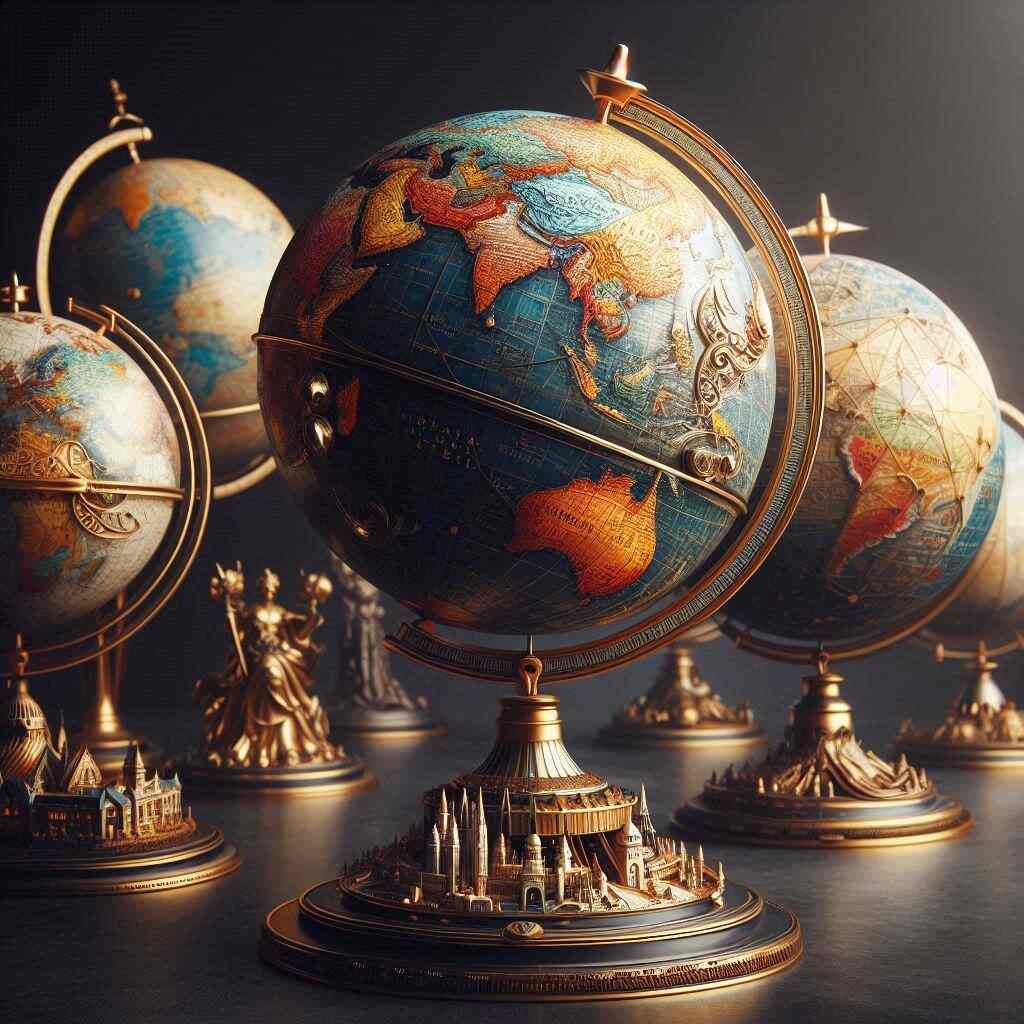
Globes are more than just spherical representations of our planet. They are educational tools, decorative pieces, and symbols of our collective exploration of the world. A globe with a stand takes this timeless object and elevates it, both literally and figuratively. Whether for a classroom, a living room, or an office, a globe on a stand is a statement piece that marries form and function. But how did these globes come to be, and what should you know before choosing one? Let’s explore.
| Category | Details |
|---|---|
| Earliest Globe | Created by Crates of Mallus, 150 BC |
| Common Materials for Stands | Wood, Metal, Plastic, Combination Materials |
| Typical Diameter Range | 12 inches (30 cm) to 36 inches (91 cm) |
| Popular Globe Types | Educational, Decorative, Interactive, Digital |
| Average Price Range | $50 to $500+ |
| Top Brands | Replogle, Zoffoli, National Geographic |
| Common Map Styles | Political, Physical, Antique, Thematic |
| Popular Stand Styles | Classic, Modern, Minimalist, Artistic |
| Most Common Stand Height | 3 feet (91 cm) to 5 feet (152 cm) |
| Weight Range of Globes | 5 lbs (2.3 kg) to 20 lbs (9 kg), depending on size and materials |
| Sustainability Efforts | Use of recycled materials, fair trade practices |
| Average Lifespan | 10 to 20 years, with proper care and maintenance |
| Customization Options | Custom maps, personalized stands, engraving |
| Interactive Globe Features | Touch-sensitive, App integration, Voice interaction |
| Educational Usage | Enhances geographical knowledge, promotes spatial awareness, fosters global awareness |
The History and Evolution of Globes
Origins of the Globe
The concept of the globe dates back to ancient civilizations. The earliest recorded globe, known as the “Eratosthenes’ globe,” was created by the Greek scholar Crates of Mallus in 150 BC. This primitive model laid the foundation for how we visualize the Earth today.
Development of Globes Through the Ages
Globes evolved significantly during the Renaissance, particularly in the 15th century when explorers like Christopher Columbus and Ferdinand Magellan expanded our understanding of the world. Globes became more detailed and accurate, reflecting the new territories and discoveries. The advent of printing technology further allowed for mass production, making globes more accessible to the public.
Modern Globe Design
Today, globes are made using advanced mapping techniques and materials. They are not only accurate but also available in various styles, catering to both educational purposes and aesthetic preferences.
Types of Globes
Educational Globes
These globes are designed with detailed maps, showing countries, capitals, and geographical features. They are often used in classrooms to teach students about the world.
Decorative Globes
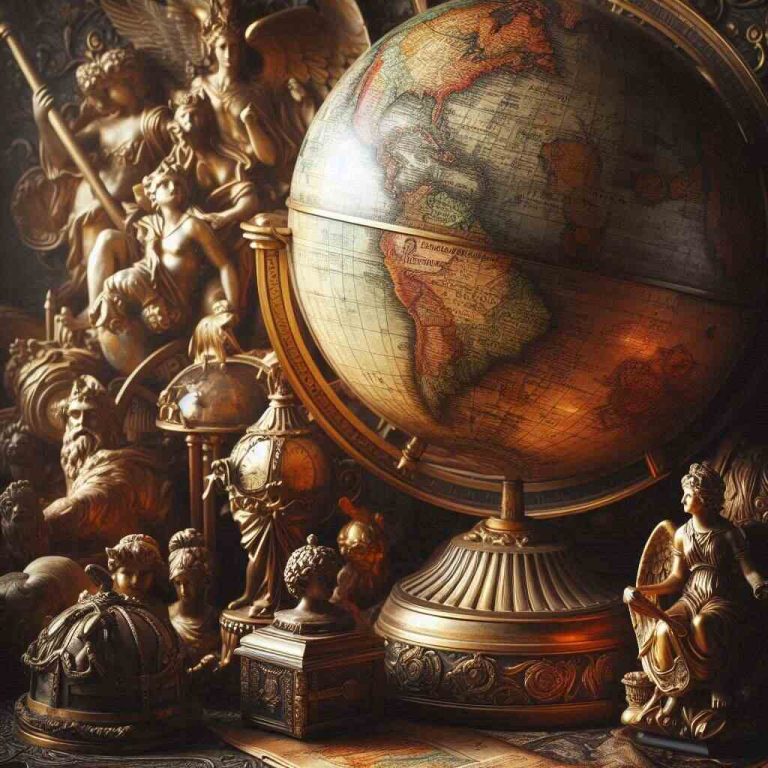
These globes focus more on aesthetics. They might feature antique maps, ornate stands, and be made from luxurious materials. Decorative globes are perfect for adding a touch of sophistication to any room.
Interactive and Digital Globes
With the advent of technology, interactive and digital globes have become popular. These globes can connect to the internet, offering real-time data and interactive learning experiences.
Why a Stand Matters for a Globe
Functionality and Stability
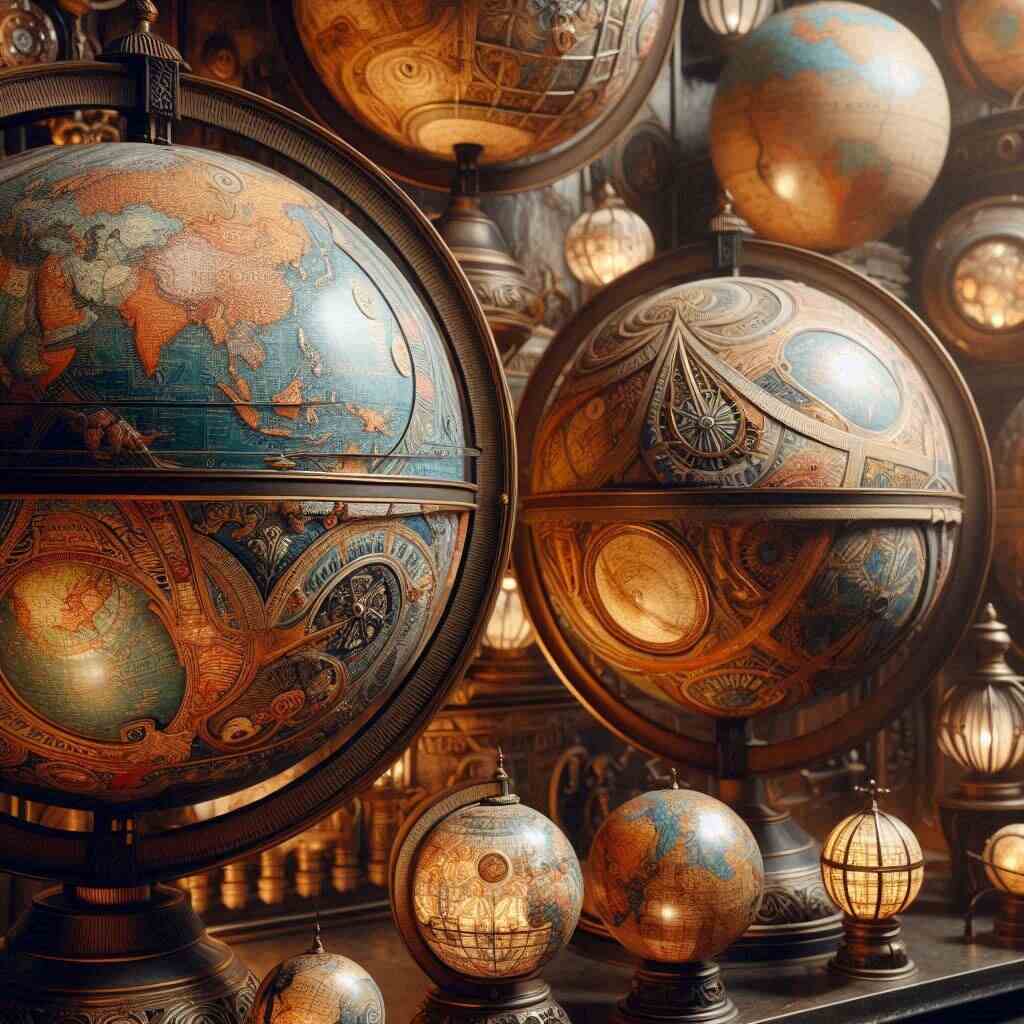
A stand is not just a base for the globe; it provides stability and functionality. A well-designed stand ensures that the globe spins smoothly and stays in place, making it easier to use.
Aesthetic Appeal
The stand also adds to the globe’s aesthetic appeal. Whether you prefer a classic wooden base or a sleek metal design, the stand can enhance the overall look of the globe, making it a standout piece in any setting.
Materials Used in Globe Stands
Wood
Wooden stands offer a classic and timeless look. They are durable and often feature intricate carvings, making them a favorite for traditional and antique-style globes.
Metal
Metal stands are known for their strength and durability. They can range from simple, minimalist designs to more elaborate, artistic creations. Metal is often used in modern and industrial-style globes.
Plastic
Plastic stands are lightweight and affordable. They are commonly used in educational globes where practicality and cost-effectiveness are key.
Combination Materials
Some stands combine different materials, such as wood and metal, to create a unique and stylish look. These combination stands can blend well with various decor styles.
Styles of Globe Stands
Classic and Antique
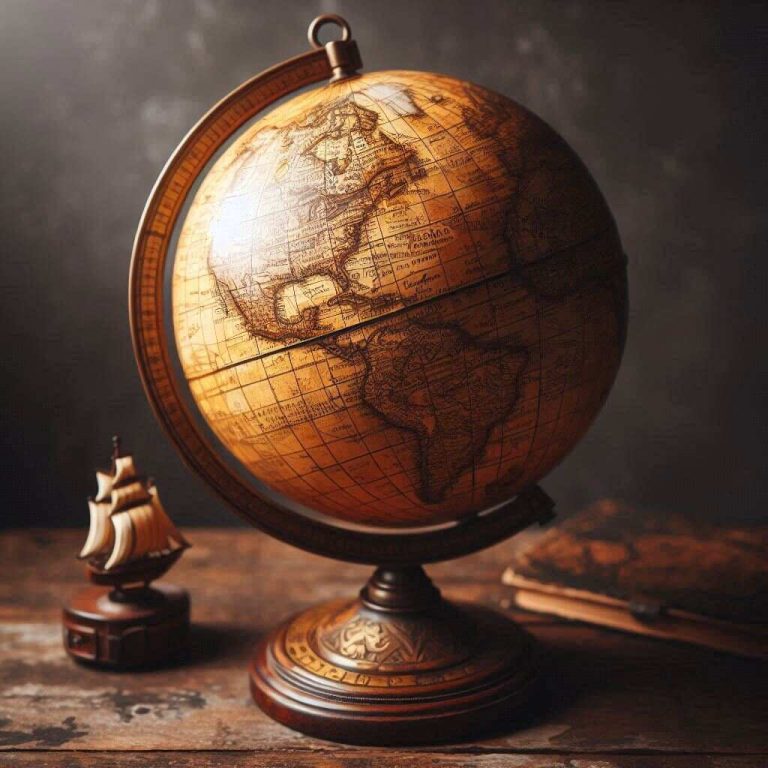
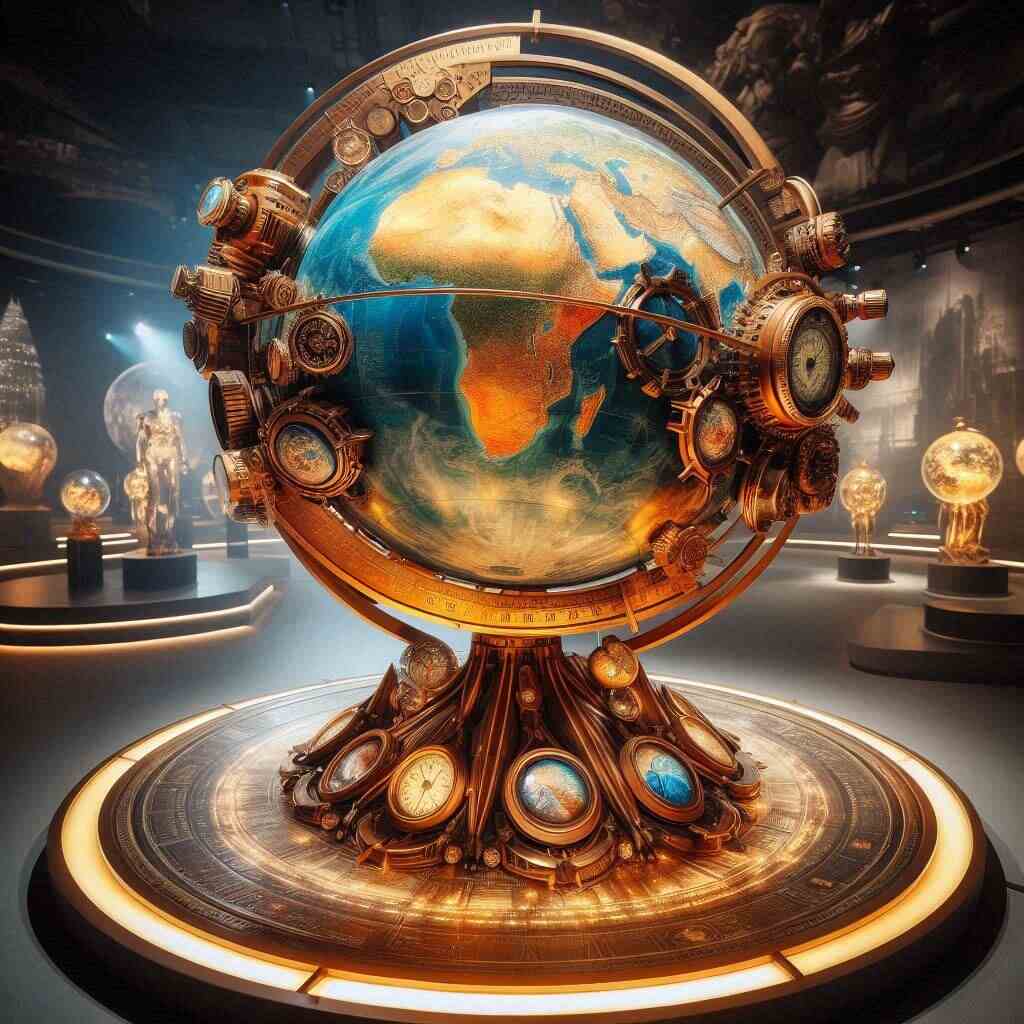
Classic and antique stands often feature rich wood finishes, brass details, and intricate carvings. These stands are perfect for globes with vintage or historical maps.
Modern and Minimalist
Modern stands are sleek and simple, often made from metal or plastic. They focus on clean lines and functionality, making them ideal for contemporary spaces.
Custom and Artistic
For those looking for something unique, custom and artistic stands are available. These stands might feature abstract designs, bold colors, or unusual materials, turning the globe into a true piece of art.
Choosing the Right Globe with Stand
Considering Size and Space
Before purchasing a globe, consider the size and space where it will be placed. Large globes can dominate a room, while smaller ones can fit snugly on a desk or shelf.
Matching with Interior Design
The globe and its stand should complement the room’s decor. For a cohesive look, choose a stand that matches the style and color scheme of your furniture and accessories.
Purpose of the Globe: Education vs. Decoration
Decide whether the globe will primarily be used for educational purposes or as a decorative piece. This will influence your choice of style, material, and size.
Top Brands and Manufacturers of Globes with Stand
Replogle Globes
Replogle is one of the most well-known manufacturers of globes. They offer a wide range of globes, from educational models to high-end decorative pieces.
Zoffoli Globes
Zoffoli is an Italian brand known for its luxurious and ornate globes. Their products often feature antique maps and elegant stands, making them popular for home decor.
National Geographic Globes
National Geographic offers a variety of educational globes that are both accurate and visually appealing. Their globes are often used in classrooms and by geography enthusiasts.
How to Care for Your Globe and Stand
Cleaning and Maintenance Tips
To keep your globe looking its best, dust it regularly with a soft cloth. Avoid using harsh chemicals, especially on wooden stands, as they can damage the finish.
Protecting from Sunlight and Moisture
Globes should be kept out of direct sunlight, as the UV rays can fade the maps. Additionally, avoid placing globes in areas with high humidity to prevent warping and deterioration.
Repair and Restoration of Stands
If the stand becomes damaged, it can often be repaired or restored. Wooden stands can be refinished, while metal stands might need polishing or re-welding.
The Educational Benefits of Using Globes
Enhancing Geographical Knowledge
Globes provide a tangible way to explore geography. They help students understand the Earth’s continents, countries, and bodies of water in a more interactive way than flat maps.
Promoting Spatial Awareness
By spinning the globe, students can visualize the Earth’s rotation and better understand concepts like latitude, longitude, and time zones.
Encouraging Global Awareness
Globes encourage curiosity about different cultures and regions, fostering a sense of global citizenship and awareness.
The Decorative Appeal of Globes in Homes and Offices
Adding a Touch of Sophistication
A globe on a stand instantly adds a touch of sophistication to any room. Whether in an office or a living room, it serves as a symbol of knowledge and exploration.
Creating a Focal Point in a Room
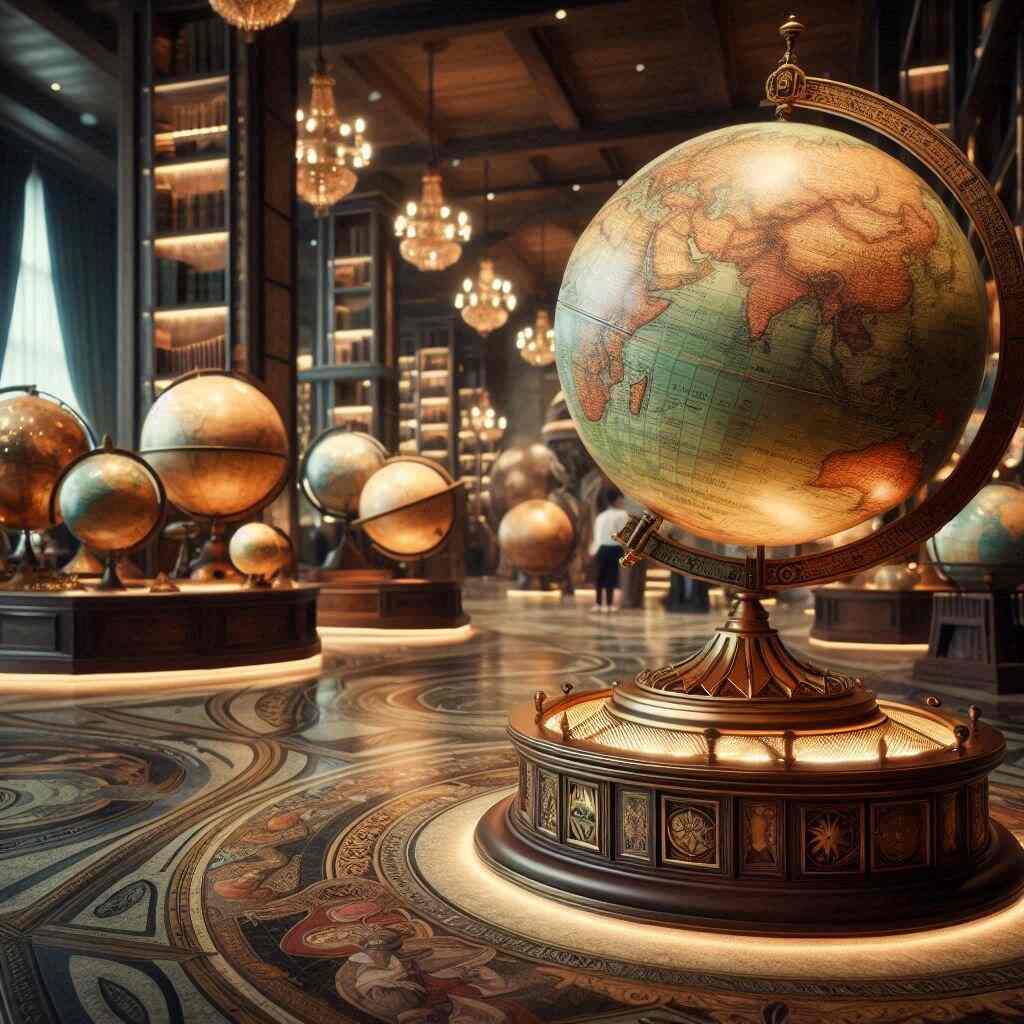
Large, ornate globes can serve as a focal point in a room. Placed in a prominent position, they draw attention and spark conversation.
Using Globes in Themed Decor
Globes are perfect for themed decor, such as travel-inspired rooms. They can be paired with other world map elements, vintage suitcases, and travel books for a cohesive look.
Globes as Gifts: Why They Make Great Presents
Ideal for History and Geography Enthusiasts
A globe is a thoughtful gift for anyone interested in history or geography. It’s a timeless piece that can be enjoyed for years to come.
Timeless and Long-Lasting
Unlike many gifts that lose their appeal over time, a globe is a lasting reminder of the world’s beauty and complexity.
Suitable for Various Occasions
Whether for a graduation, birthday, or retirement, a globe is a versatile gift that suits many occasions.
Sustainability and Ethical Considerations in Globe Production
Eco-Friendly Materials and Practices
Some manufacturers prioritize sustainability by using eco-friendly materials and production practices. Look for globes made from recycled materials or sustainably sourced wood.
Supporting Fair Trade and Local Artisans
Purchasing from brands that support fair trade practices ensures that artisans are paid fairly for their work. This not only supports local economies but also promotes ethical consumerism.
FAQs About Globes of the World with Stand
- What is the best material for a globe stand?
The best material depends on your preference and the style of the globe. Wood is classic and durable, while metal offers a modern look. Plastic is lightweight and practical. - How do I choose the right size of a globe?
Consider the space where the globe will be placed. Larger globes make a statement, while smaller ones are more versatile. - Can a globe be both educational and decorative?
Yes, many globes are designed to be both educational and decorative, offering detailed maps with an aesthetically pleasing design. - How should I care for my globe to ensure it lasts?
Keep it dusted, avoid direct sunlight, and store it in a dry place to prevent damage. - Are there interactive globes for kids?
Yes, there are many interactive globes that include touch-sensitive features, apps, and even voice interaction to enhance learning. - Can I get a custom-made globe with a stand?
Many manufacturers offer custom options where you can choose the map, stand material, and style. - What are some reputable brands for globes with stands?
Replogle, Zoffoli, and National Geographic are among the top brands known for their quality globes. - How often should I clean my globe?
It’s recommended to dust your globe weekly and give it a more thorough cleaning a few times a year. - Is it possible to restore an antique globe?
Yes, antique globes can often be restored by professionals who specialize in globe restoration. - Why do some globes cost so much?
The price of a globe can reflect its materials, craftsmanship, brand reputation, and whether it includes unique features like antique maps or custom stands.
Conclusion
Globes of the world with a stand are not just practical tools for learning; they are also beautiful pieces that can enhance any space. Whether you’re a geography enthusiast, a history buff, or someone who appreciates fine decor, a globe with a stand offers something for everyone. From choosing the right material to understanding the educational benefits, this guide has covered everything you need to know. So, go ahead, find that perfect globe, and let it inspire your curiosity and love for the world.