Antique Globe: A Timeless Artifact of Exploration and Art
Antique globes have long fascinated explorers, collectors, and history enthusiasts. Their beauty lies not only in their aesthetic appeal but also in the incredible stories they tell of human discovery and artistic mastery. Whether displayed as a decorative item or preserved as a historical artifact, antique globes capture the world as it was once imagined by early mapmakers and explorers. This article will dive into the unique allure of antique globes, how to identify them, and their value in the modern world.

| Category | Fact/Figure |
|---|---|
| Oldest Surviving Globe | The Behaim Globe (1492) |
| Typical Age for Antique Status | At least 100 years old |
| Famous Antique Globes | Behaim Globe, Hunt-Lenox Globe, Coronelli Globes |
| Materials Used | Wood, brass, paper, vellum |
| Historical Role | Used for navigation and education |
| Oldest Known Globes | Greek and Roman periods |
| Rare Globe Price Range | $10,000 to over $1 million at auctions |
| Notable Auction Sale | 17th-century Coronelli Globe sold for approximately $500,000 |
| Common Globe Makers | Martin Behaim, Vincenzo Coronelli, Willem Blaeu |
| Restoration Cost | Can range from $500 to $5,000 depending on condition |
| Average Diameter of Antique Globes | 12 to 36 inches |
| Materials for Globe Surfaces | Hand-painted or printed paper applied to spheres |
| Popular Century for Globe Making | 16th to 19th centuries |
| Market Growth for Antique Collectibles | Increasing interest, with a steady rise in value over the past decade |
| Unique Features | Hand-drawn maps, mythical creatures, “Here be dragons” inscriptions |
What Defines an Antique Globe?

Characteristics of Antique Globes
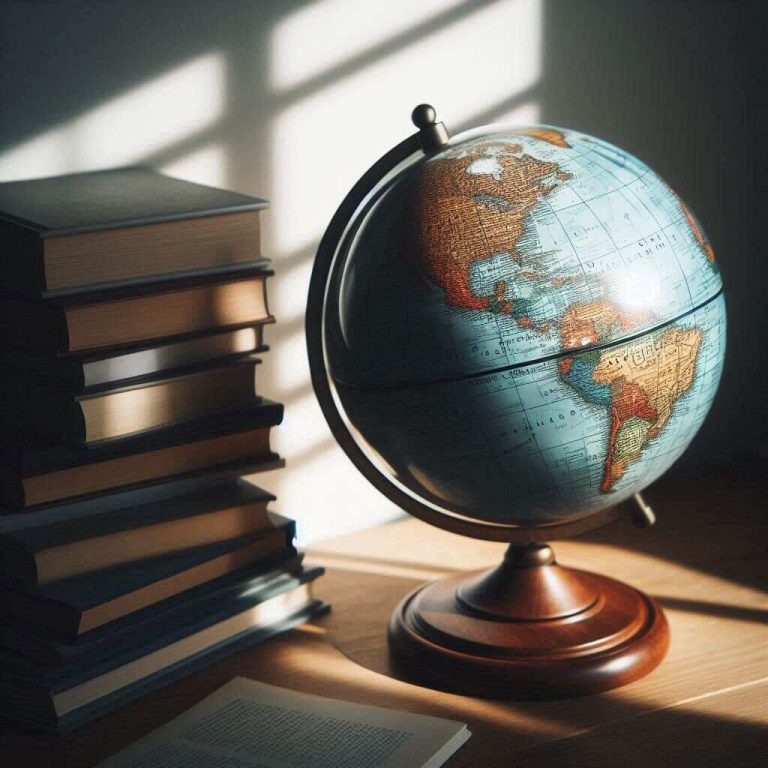
Antique globes are not just ordinary globes; they represent a piece of history. Typically made before the 20th century, these globes exhibit a distinct combination of artistry, craftsmanship, and cartographical knowledge. Their materials often include a mix of wood, brass, and paper, with intricate hand-painted or printed maps.
Age and Value: What Makes a Globe Antique?
For a globe to be considered “antique,” it generally needs to be at least 100 years old. Age plays a significant role in its value, with older globes fetching higher prices. However, other factors such as condition, rarity, and historical significance also influence its worth.
A Journey Through History: Antique Globes in the Past
Early Globes and Their Role in Navigation
In ancient times, globes were used not only for education but also for navigation. Some of the earliest known globes date back to the Greek and Roman periods, where they helped sailors and explorers visualize the world. These early globes were simplistic, often missing large portions of the world that had yet to be discovered.
The Artistic Evolution of Globes Over Time
As cartography advanced, globes became more detailed and accurate. By the Renaissance period, globe-making had become an art form. These globes often featured elaborate illustrations of sea monsters, mythological creatures, and unknown lands, reflecting both scientific knowledge and the imagination of the time.
Famous Antique Globes in History
The Behaim Globe: The Oldest Surviving Globe
One of the most famous globes is the Behaim Globe, created in 1492 by Martin Behaim, a German cartographer. This globe is considered the oldest surviving terrestrial globe and gives us a glimpse into how Europeans viewed the world before the discovery of the Americas.
The Hunt-Lenox Globe: A Treasure of Cartography
Another significant piece of history is the Hunt-Lenox Globe, made around 1510. This globe is notable for its depiction of the world shortly after Columbus’ voyages and is one of the few to mention the phrase “Hic sunt dracones” (Here be dragons), signifying uncharted territories.
Materials and Craftsmanship Behind Antique Globes

Wood, Metal, and Paper: Building Blocks of Antique Globes
The construction of antique globes was an intricate process. Skilled artisans used materials such as wood for the stand, metal for the axis and rings, and paper or vellum for the map. Each material was carefully chosen to enhance the globe’s longevity and aesthetic appeal.
Handcrafted Precision: The Art of Globe Making
Creating an antique globe required a deep understanding of both geography and art. Globe makers would painstakingly handcraft each globe, ensuring that every detail—from the continents to the seas—was accurate according to the knowledge of the time.
Why People Collect Antique Globes Today
The Nostalgic Charm of Antique Maps
Antique globes are more than just geographical tools; they are nostalgic relics that evoke a sense of wonder about the world as it once was. For many collectors, owning an antique globe is like holding a piece of history in their hands, a reminder of humanity’s quest for discovery.
The Role of Antique Globes in Home Décor
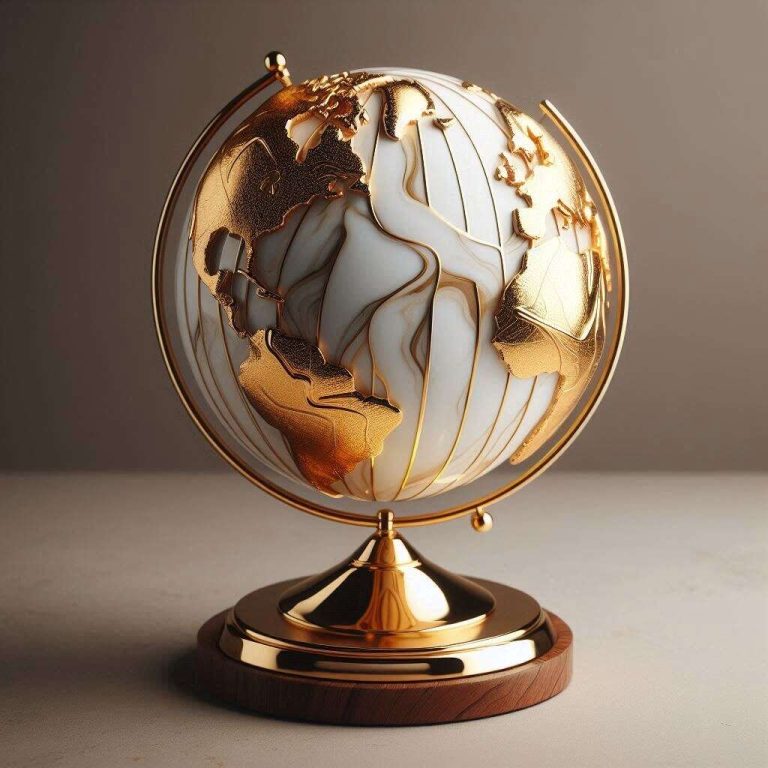
Beyond their historical value, antique globes are also prized for their aesthetic appeal. Many collectors use them as decorative items, adding a touch of old-world elegance to their homes. Whether placed on a bookshelf or as a centerpiece, antique globes can elevate the style of any room.
How to Identify a Genuine Antique Globe
Key Features to Look for in Antique Globes
Identifying an authentic antique globe can be tricky, but there are a few key features to look for. First, check for signs of aging, such as faded colors, wear on the paper, or tarnishing on metal components. Additionally, look for labels or inscriptions that indicate the maker and date of production.
Understanding Globe Markings and Dates
Antique globes often feature markings or engravings that provide valuable information about their origin. These can include the maker’s name, the place of manufacture, and the date of production. Understanding these markings is essential for determining the globe’s authenticity and value.
The Value of Antique Globes in the Modern Market
Factors Influencing the Price of an Antique Globe
Several factors influence the value of an antique globe, including its age, condition, rarity, and historical significance. Globes made by famous cartographers or featuring unique details are typically more valuable. Additionally, globes in excellent condition, with minimal restoration, tend to fetch higher prices.
Famous Auction Sales of Antique Globes
In recent years, antique globes have become sought-after items in the auction world. Some rare globes have sold for thousands of dollars, with collectors vying to own a piece of history. These auctions often feature globes from renowned makers like Coronelli and Blaeu.
Restoring and Preserving Antique Globes
How to Care for a Delicate Antique Globe
Antique globes are delicate objects that require careful preservation. Keep them away from direct sunlight, which can cause fading, and avoid touching the surface with bare hands to prevent oils from damaging the paper. Regular dusting with a soft cloth will help maintain their appearance.
Expert Tips for Globe Restoration
If your antique globe needs restoration, it’s best to consult a professional conservator. They can repair damaged sections, restore faded colors, and ensure that the globe retains its original charm without compromising its historical integrity.
Where to Find Antique Globes
Auction Houses and Antique Dealers
One of the best places to find genuine antique globes is through reputable auction houses or antique dealers. These sources often have experts who can verify the authenticity and value of the globes they sell.
Online Marketplaces for Antique Collectibles
For those unable to attend auctions, online marketplaces offer a wide range of antique globes. Websites like eBay, Etsy, and specialist antique shops provide a platform for buyers to find unique pieces. However, it’s important to do thorough research and buy from trusted sellers to avoid counterfeit items.
Modern Reproductions vs. Authentic Antique Globes
Spotting the Difference Between Reproductions and Originals
While modern reproductions may look similar to antique globes, there are some telltale signs that differentiate them. Authentic antique globes will show natural signs of aging, such as wear and patina, while reproductions often appear too perfect or new.
Are Reproductions Worth Collecting?
Reproductions can still hold value, especially if they are well-made and capture the charm of the original. While they may not carry the historical weight of an authentic globe, they can be a more affordable option for those looking to add a vintage touch to their home.
Why Antique Globes Are the Perfect Gift for History Lovers
A Unique Piece of History
For history enthusiasts, few gifts are as unique and meaningful as an antique globe. These globes represent a tangible connection to the past and offer a fascinating glimpse into how people once viewed the world.
Adding a Timeless Touch to a Collection
Whether as a standalone piece or part of a larger collection, an antique globe adds a timeless touch to any space. Its blend of history, art, and craftsmanship makes it a treasured item for collectors and casual admirers alike.
The Future of Antique Globes in a Digital Age
Are Digital Maps Replacing Traditional Globes?
With the rise of digital maps and GPS technology, traditional globes may seem outdated. However, their historical and artistic value ensures they remain relevant. Unlike digital maps, antique globes offer a tangible, three-dimensional perspective of the world that modern technology can’t replicate.
How Antique Globes Maintain Their Relevance Today
Despite the digital revolution, antique globes continue to hold a special place in both educational and decorative settings. Their ability to inspire curiosity about geography and history ensures they will remain cherished items for generations to come.
How to Start Your Own Antique Globe Collection
Beginner’s Guide to Collecting Antique Globes
Starting an antique globe collection can be a rewarding hobby. Begin by researching different types of globes and learning about the various factors that influence their value. Start with smaller, more affordable pieces before investing in rare or high-value globes.
What to Know Before Making Your First Purchase
Before buying your first antique globe, it’s important to do your homework. Research the seller, verify the authenticity of the globe, and ask questions about its condition. Additionally, consider the cost of restoration or preservation if the globe is in need of repairs.
Conclusion: The Timeless Beauty of Antique Globes
Antique globes offer a beautiful blend of history, art, and craftsmanship. They represent a unique window into the past, capturing the spirit of exploration and discovery. Whether you’re a seasoned collector or just starting your journey, antique globes provide a fascinating and rewarding glimpse into the world as it once was.
FAQs About Antique Globes
- What makes a globe “antique”?
- A globe is considered antique if it is at least 100 years old and exhibits characteristics of historical craftsmanship.
- How can I tell if a globe is authentic?
- Look for signs of aging, such as patina or fading, and check for maker marks or inscriptions indicating the globe’s origin.
- Are antique globes valuable?
- Yes, the value depends on factors like age, rarity, condition, and historical significance.
- Where can I find antique globes for sale?
- You can find them at auction houses, antique dealers, and online marketplaces.
- How do I care for an antique globe?
- Keep it away from direct sunlight, avoid touching the surface with bare hands, and dust it regularly with a soft cloth.
- Can antique globes be restored?
- Yes, but it’s best to consult a professional for restoration to avoid damaging the globe.
- Are modern reproductions of antique globes worth collecting?
- They can be if well-made, though they lack the historical significance of originals.
- What materials were used to make antique globes?
- Common materials include wood, brass, and paper or vellum.
- Why do people collect antique globes?
- Collectors value them for their historical, artistic, and decorative appeal.
- Can I start an antique globe collection on a budget?
- Yes, by starting with smaller, less expensive globes and gradually building your collection.