
Bank of America Faces a New Lawsuit from UBS
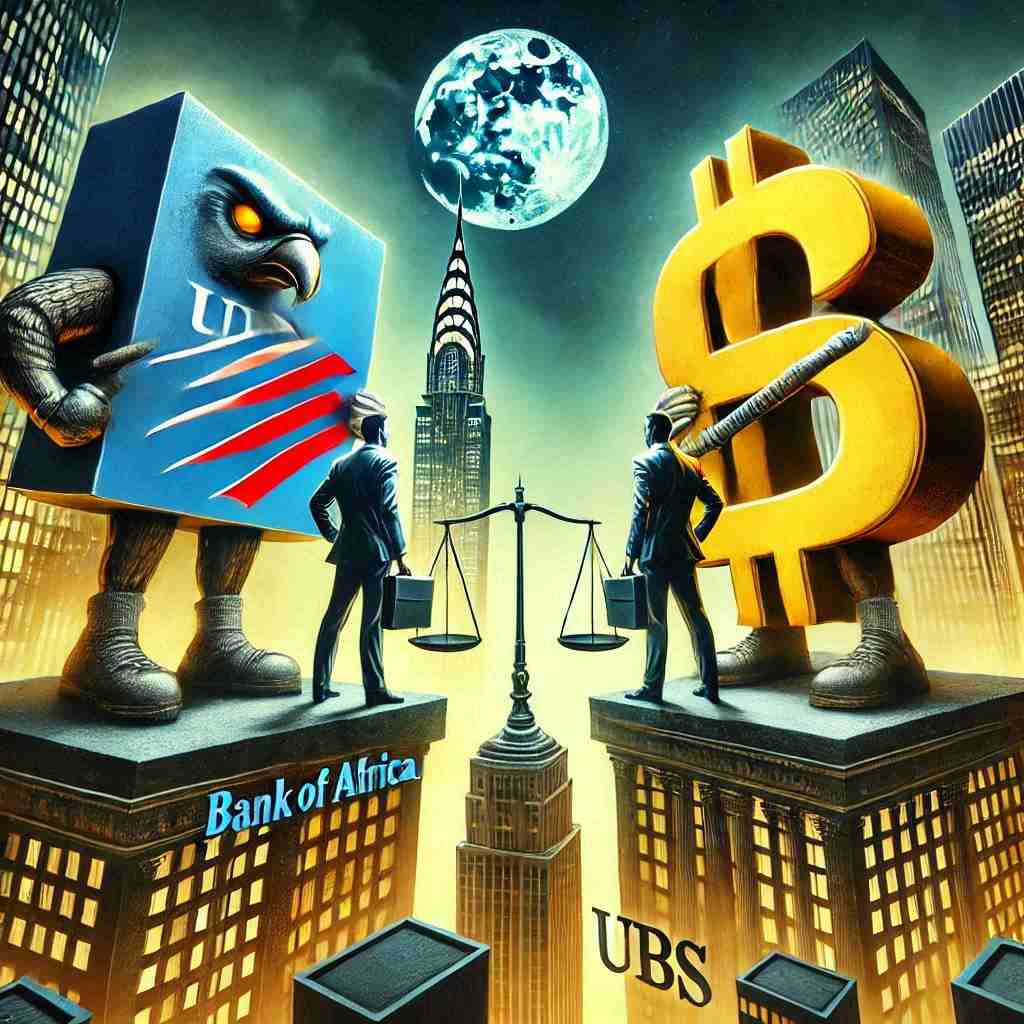
In a dramatic turn of events, two financial giants, Bank of America and UBS, have locked horns in a legal battle that has the financial world buzzing. The lawsuit, filed by UBS, raises significant questions about banking practices and could set a precedent for future disputes. Let’s dive deep into the details to understand what’s at stake and why it matters.

| Aspect | Details | Significance |
|---|---|---|
| Parties Involved | Bank of America and UBS | Represents two major financial institutions with global influence. |
| Nature of the Dispute | Alleged contractual breach and mismanagement of funds. | Highlights potential operational lapses in high-stakes financial transactions. |
| Main Allegations | – Inadequate disclosure – Misrepresentation – Breach of contract | Key legal grounds raised by UBS in the lawsuit. |
| Bank of America’s Stance | Denies all allegations; claims compliance with laws and agreements. | Demonstrates confidence in its operational integrity. |
| Potential Impact on Stocks | Initial fluctuations in stock prices for both parties observed. | Reflects market sensitivity to legal disputes involving major players. |
| Legal Precedent | Could set new standards for handling interbank disputes. | May influence future regulatory and compliance measures. |
| Market Ramifications | Possible ripple effects across the financial sector. | Emphasizes the interconnectedness of global financial institutions. |
| Expert Opinions | Analysts focus on contractual terms and reputational risks. | Provides insight into legal and financial perspectives on the case. |
| Consumer Impact | Potential for stricter banking policies and increased costs. | Could indirectly affect banking service users. |
| Historical Context | Similar cases, such as the 2008 financial crisis settlements. | Offers a precedent for understanding large-scale financial disputes. |
| Resolution Prospects | Prolonged legal proceedings or possible out-of-court settlement. | Impacts the timeline and financial implications for both parties. |
| UBS’s Key Claims | Financial losses due to alleged mismanagement and contractual breaches by Bank of America. | Central argument in the legal filing by UBS. |
| Transparency Concerns | Questions raised about disclosure practices in financial deals. | Highlights a core issue in ensuring trust and accountability in banking. |
| Impact on Regulations | Likely to prompt enhanced compliance measures in the sector. | Encourages a safer and more transparent financial environment. |
| Industry Reaction | Mixed responses from stakeholders and financial analysts. | Demonstrates the importance of industry sentiment in such disputes. |
Understanding the Key Players
Bank of America
As one of the largest financial institutions in the world, Bank of America is no stranger to scrutiny. With a legacy spanning over a century, it has weathered its share of storms, including the 2008 financial crisis. Despite its strong presence, recent years have brought challenges, including regulatory fines and operational missteps.
UBS
UBS, a powerhouse in investment banking and wealth management, operates on a global scale. Known for its expertise in financial advisory and asset management, UBS prides itself on precision and client-focused services. However, its assertive legal move against Bank of America signals a deeper conflict.
Background of the Lawsuit
The seeds of the lawsuit were sown in a series of financial transactions that, according to UBS, involved misrepresentation and breach of contractual obligations. While specifics remain under wraps due to ongoing legal proceedings, sources suggest that the dispute revolves around a high-stakes investment deal gone wrong.
Details of the Case

The Nature of the Allegations
UBS has accused Bank of America of failing to meet certain obligations, leading to financial losses. The allegations also include claims of inadequate disclosure and mismanagement of funds, which UBS believes violated agreed-upon terms.
Bank of America’s Response
Bank of America has denied the allegations, asserting that its actions were in compliance with all relevant laws and agreements. In a recent statement, the bank emphasized its commitment to transparency and its confidence in prevailing against these claims.
Implications for the Financial Industry
Legal Precedents
This lawsuit could redefine how financial disputes are handled, particularly between industry titans. It might also influence regulatory policies aimed at increasing accountability in the banking sector.
Market Impact
The announcement of the lawsuit sent ripples through the stock market, with shares of both banks experiencing fluctuations. Investors are closely monitoring the situation, as the outcome could have far-reaching effects on market stability.
Expert Opinions
Legal analysts believe the case hinges on the interpretation of complex contractual terms. Financial experts, meanwhile, highlight the potential reputational risks for both parties. While UBS’s aggressive stance reflects its confidence, Bank of America’s measured approach suggests a focus on long-term strategy.
Broader Implications
For Banking Practices
The lawsuit underscores the importance of robust compliance mechanisms in financial institutions. It also highlights the risks of high-stakes investments, where even minor oversights can lead to significant disputes.
For Consumers
While the immediate impact on consumers might be minimal, the long-term effects could include stricter banking regulations and higher operational costs, potentially trickling down to customers.
The Way Forward
The resolution of this case will likely involve prolonged legal proceedings. Both banks may consider an out-of-court settlement to mitigate reputational damage and financial losses. Regardless of the outcome, the case serves as a stark reminder of the complexities and challenges inherent in the financial industry.
Conclusion
The lawsuit between Bank of America and UBS is more than just a legal battle; it’s a reflection of the evolving dynamics in the financial world. As the case unfolds, it will undoubtedly offer lessons for banks, regulators, and consumers alike. Stay tuned, as this story is far from over.
FAQs
- What is the lawsuit between Bank of America and UBS about?
The lawsuit revolves around allegations of contractual breaches and financial mismanagement in a significant investment deal. - Why is this case significant in the financial industry?
It could set legal and regulatory precedents, impacting banking practices and policies. - How have Bank of America and UBS responded to the lawsuit?
Bank of America denies the allegations, while UBS remains firm in its claims. - What are the main allegations made by UBS?
UBS accuses Bank of America of inadequate disclosure, misrepresentation, and contractual violations. - What could be the financial implications for both institutions?
The lawsuit could affect their stock prices, market reputation, and operational costs. - How might this case affect consumers?
Consumers may see changes in banking policies and possibly higher costs due to stricter regulations. - Are there similar cases involving major banks?
Yes, disputes between major banks are not uncommon and often involve complex financial dealings. - What does this lawsuit mean for banking regulations?
It could prompt stricter compliance requirements and greater oversight in financial transactions. - How do legal experts view the outcome of this case?
Opinions vary, but many believe it will hinge on the interpretation of the disputed contract. - What steps can banks take to avoid similar disputes in the future?
Enhanced transparency, stronger compliance frameworks, and meticulous contractual agreements are crucial.