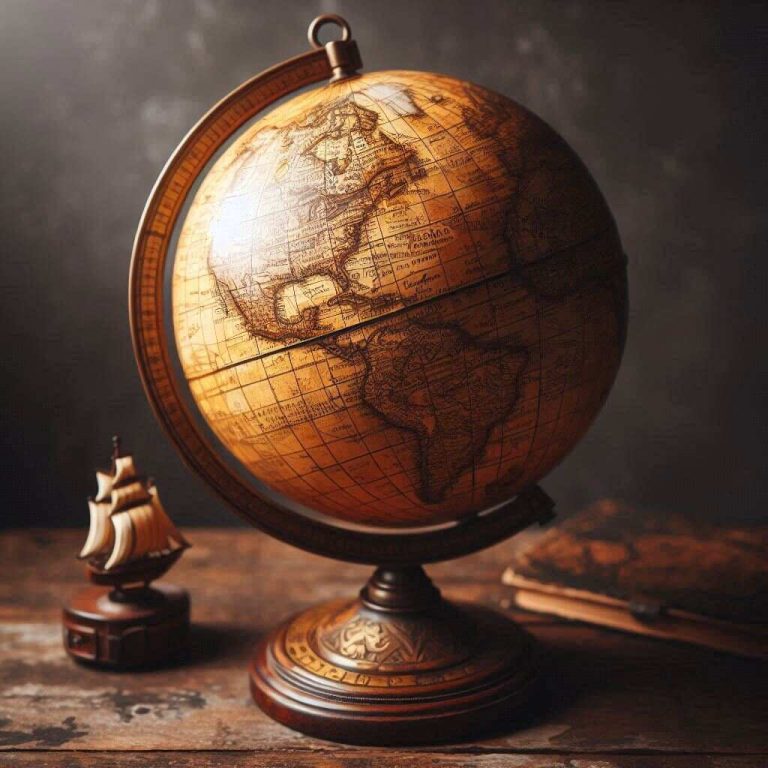
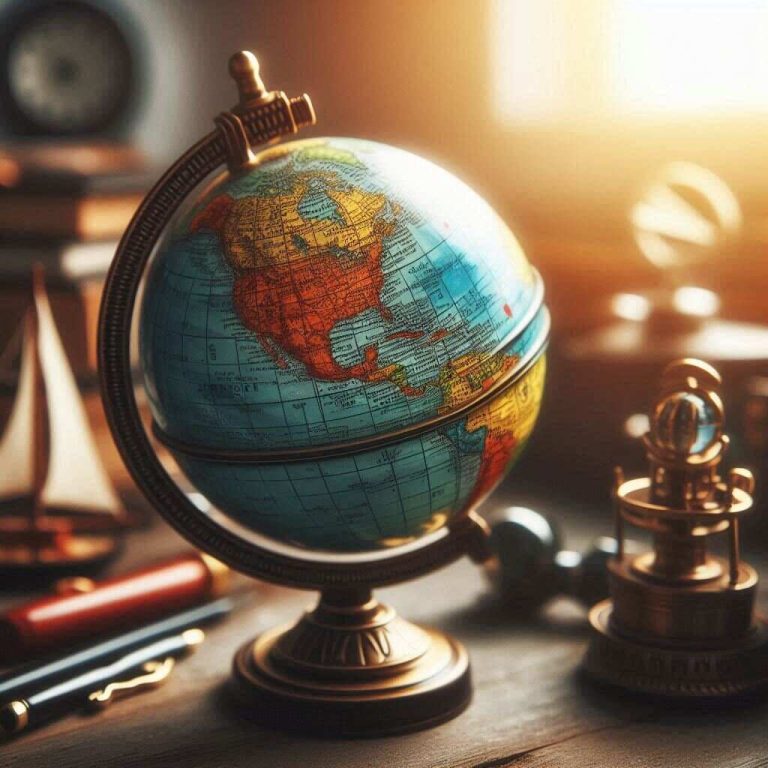
Antique Texture Globe
Antique texture globes are more than just navigational tools from a bygone era. They are relics of history that represent humanity’s thirst for discovery and understanding of the world. These globes, adorned with intricate textures, markings, and colors, tell a story that spans centuries. So, why do these fascinating objects continue to captivate us?

| Fact/Feature | Details |
|---|---|
| Definition | A globe over 100 years old with unique, aged textures and craftsmanship. |
| Typical Age | 100 years or older |
| Common Materials | Wood, brass, paper mâché |
| Popular Types | Terrestrial, celestial, nautical, Mercator projection globes |
| Historical Periods | Renaissance (15th-16th century), Golden Age (17th-18th century), 19th century |
| Notable Globe Makers | Gerard Mercator, Johannes Schöner, Martin Waldseemüller |
| Typical Features | Hand-painted maps, intricate cartographic details, aged patina |
| Value Factors | Age, rarity, condition, historical significance |
| Price Range | $500 to over $10,000 depending on the globe’s rarity and condition |
| Common Restoration Techniques | Repairing cracks, cleaning surfaces, restoring faded colors |
| Common Wear Indicators | Faded colors, surface cracks, tarnished metal parts |
| Reproduction Indicators | Uniform aging, modern materials, machine-made components |
| Popular Auction Houses | Sotheby’s, Christie’s, Bonhams |
| Collectors’ Associations | The Globe Collectors Society, Antique Map Dealers Association |
The Charm of Antique Texture Globes
There’s something irresistible about the allure of antique texture globes. Their worn edges and muted tones evoke a sense of mystery, transporting us to an age where the world was still being charted. They remind us of the elegance of craftsmanship and the artistry of ancient cartography, making them timeless pieces for collectors and history enthusiasts alike.
Why Antique Texture Globes are Timeless
In today’s digital age, where maps are just a tap away, antique globes hold a different kind of charm. They offer a tangible, immersive experience of the world that no flat screen can replicate. Their unique textures and handcrafted details add an aesthetic appeal that transcends time, blending the boundaries between functional object and art.
The History of Antique Globes

Early Globe Design: A Journey Through Time
The concept of creating a globe dates back over 2,000 years, when ancient Greek scholars believed that the Earth was round. The earliest known globes were small, simple, and often inaccurate. But as exploration expanded during the Age of Discovery, globe-making took on new importance, showcasing ever-improving knowledge of the planet’s geography.
The Golden Age of Globe Making in the 16th and 17th Century
The 16th and 17th centuries are considered the Golden Age of globe making. During this period, European artisans, inspired by great voyages, created some of the most detailed and artistic globes ever seen. These globes became status symbols, used by royalty, merchants, and explorers alike, representing power, wealth, and knowledge.
What Makes a Globe ‘Antique’?

Age, Materials, and Craftsmanship
For a globe to be truly considered an antique, it must be over 100 years old. But age isn’t the only factor—materials and craftsmanship play a critical role. Antique globes were often made from a variety of materials like wood, brass, and paper mâché, each contributing to the unique texture and finish of the globe.
Differentiating Between Reproductions and True Antiques
Many modern replicas mimic the look of antique globes, but they lack the authenticity of their centuries-old counterparts. True antique globes show natural signs of wear, such as faded colors, minor surface cracks, or tarnished metal parts. Spotting these imperfections is key to ensuring you’ve got the real deal.
Materials Used in Antique Texture Globes
Wood, Brass, and Paper Mâché: A Trio of Timeless Materials
Antique texture globes often combine several materials to create their distinctive look and feel. Wooden bases and brass fittings provided structural stability, while the globe itself was typically made from paper mâché, which allowed for easy application of detailed maps. These materials give antique globes their rich textures and enduring quality.
The Role of Cartography in Globe Textures
Cartographers of the past meticulously hand-painted the details on these globes, lending them their unique textures. As these maps age, the paper and ink develop subtle cracks, lines, and color changes, creating the characteristic “antique texture” that collectors love.
Popular Types of Antique Globes
Terrestrial Globes: Mapping the Earth’s Surface
Terrestrial globes, which display the Earth’s geography, are the most common type of antique globe. These globes often include details such as the location of continents, oceans, and political boundaries, as they were known during the time of creation.
Celestial Globes: Exploring the Stars
Celestial globes, on the other hand, map out the stars, constellations, and planets. They were used by early astronomers to navigate the heavens, and their intricate designs reflect the celestial knowledge of the time.
Nautical and Mercator Projection Globes
Nautical globes often feature specialized maps, including lines of latitude and longitude, to help mariners navigate the seas. Many were based on the Mercator projection, a popular method of mapmaking that revolutionized navigation.
Textures and Colors of Antique Globes
The Aged Patina: What Does It Represent?
The patina on an antique globe, with its soft hues and gentle fading, represents the passage of time. This aged look, often a mix of yellowed paper, faded ink, and weathered wood, is a testament to the globe’s history and authenticity.
Unique Artistic Flourishes on Antique Globes
Each antique globe has its own artistic details—tiny flourishes that make them one-of-a-kind. These could include hand-drawn sea creatures, compass roses, or mythological figures, adding to the globe’s visual appeal.
The Process of Making Antique Globes
Handcrafted vs. Machine-made
In the early days, globes were painstakingly handcrafted by skilled artisans. Each map was hand-drawn and attached to the spherical surface with care. In contrast, many modern globes are mass-produced by machines, which strips away the personal touch and attention to detail that defines antiques.
The Skill Behind Globe Restoration
Restoring an antique globe requires expert craftsmanship. Specialists use a variety of methods to repair cracks, restore faded colors, and stabilize the delicate materials, ensuring that the globe remains beautiful and functional for years to come.
How to Identify Authentic Antique Texture Globes
Checking for Markings, Stamps, and Signs of Age
Authentic antique globes often bear the signature or stamp of the maker, along with the date of manufacture. Additionally, natural signs of aging, such as worn edges, tarnished metals, or fading, are indicators of authenticity.
Knowing the Difference Between Fake Aging and Genuine Wear
It’s important to recognize the difference between genuine aging and artificial distressing. Fake aging can look too uniform, with intentional scratches or fading applied to give the appearance of age. Authentic wear is usually uneven and subtle, reflecting natural use over time.
How to Care for Your Antique Globe
**Proper Cleaning
Techniques for Delicate Surfaces**
To clean an antique globe, use a soft, dry cloth to gently remove dust. Avoid harsh chemicals or water, as these can damage the delicate surfaces and textures. For metal parts, a mild metal polish can be used sparingly.
Storing Your Globe to Preserve Its Condition
Store your globe in a stable environment with controlled temperature and humidity. Avoid direct sunlight, which can cause colors to fade, and keep the globe in a display case to protect it from dust and physical damage.
The Value of Antique Globes
What Affects the Price of an Antique Globe?
The value of an antique globe can be influenced by factors such as rarity, condition, age, and historical significance. Globes that are in pristine condition or have unique features will typically command higher prices.
How to Determine the Rarity and Worth of a Globe
To determine a globe’s worth, consider consulting with appraisers or antique dealers who specialize in globes. They can provide insights into the globe’s historical importance and market value based on current trends.
Where to Find Antique Texture Globes
Auctions, Specialty Shops, and Online Marketplaces
Antique globes can be found at auctions, specialty antique shops, and online marketplaces. Auctions often feature high-quality pieces, while specialty shops and online platforms offer a range of options.
Trusted Dealers and Collectors
Finding a trusted dealer or collector is crucial for acquiring authentic antique globes. Look for dealers with a good reputation and experience in handling antique items, and verify their credentials before making a purchase.
The Modern Love for Antique Texture Globes
Why Antique Globes are Popular in Home Décor
Antique globes are becoming increasingly popular in home décor due to their aesthetic appeal and historical significance. They add a touch of elegance and sophistication to any room, often serving as conversation pieces.
Incorporating Antique Globes in Modern Interior Design
Incorporating antique globes into modern design involves blending their classic charm with contemporary styles. Use them as focal points on shelves, desks, or as part of a larger décor theme to create a visually striking effect.
Collecting Antique Globes as a Hobby
Tips for Beginners in Antique Globe Collecting
For beginners, start by researching the history of globe making and understanding different types of globes. Attend antique shows, join collectors’ forums, and consult experts to build your knowledge and collection.
The Global Community of Antique Globe Collectors
Antique globe collecting is a global hobby with a vibrant community. Joining collector groups and attending conventions can offer valuable networking opportunities and insights into the world of antique globes.
Conclusion
Antique texture globes are fascinating artifacts that connect us with the past. Their intricate details and rich history make them not just valuable collectibles but also captivating pieces of art. Whether you’re a seasoned collector or a newcomer, the world of antique globes offers endless opportunities to explore and appreciate the artistry of historical mapmaking.
FAQs
- How old must a globe be to be considered antique?
A globe is generally considered antique if it is over 100 years old. - Are there different types of antique globes for specific collectors?
Yes, there are various types such as terrestrial, celestial, and nautical globes, each appealing to different collectors. - What are the most common materials used in antique texture globes?
Common materials include wood, brass, and paper mâché. - Can antique globes be restored if damaged?
Yes, with proper care and expertise, many antique globes can be restored to their former condition. - How can I ensure the authenticity of a globe?
Check for markings, stamps, and signs of genuine wear to verify a globe’s authenticity. - Do antique texture globes increase in value over time?
Generally, well-maintained antique globes can increase in value, especially if they are rare or historically significant. - What should I look for in a reputable dealer?
Look for dealers with a strong reputation, relevant experience, and positive reviews. - Is there a way to tell where an antique globe was made?
Markings or stamps on the globe often indicate the manufacturer or origin. - Are there different eras of globe making that collectors should know about?
Yes, significant periods include the Renaissance, the Golden Age of globe making, and the 19th century. - What are some key signs that a globe is a reproduction?
Reproductions often have uniform aging, lack of authentic wear, and modern materials or manufacturing methods.